The McDonnell XP-67 “Moonbat” Represented Ambition Outpacing Engineering
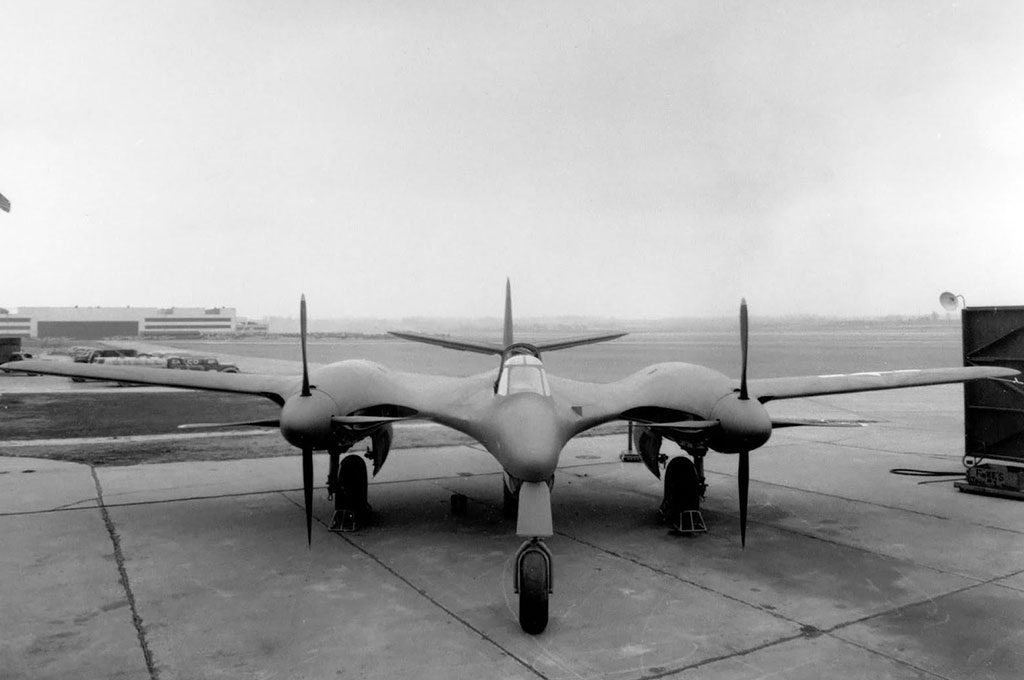
As US aircraft development was accelerating in the early 1940s and manufacturers were seeking every opportunity to combine emerging technologies to gain an edge in the war effort, McDonnell created the experimental XP-67 “Moonbat” in an ambitious attempt to surpass all existing interceptors. Its semi-blended-wing body, laminar-flow wing, and sculpted airframe promised performance, and McDonnell predicted a top speed of 472 miles per hour.
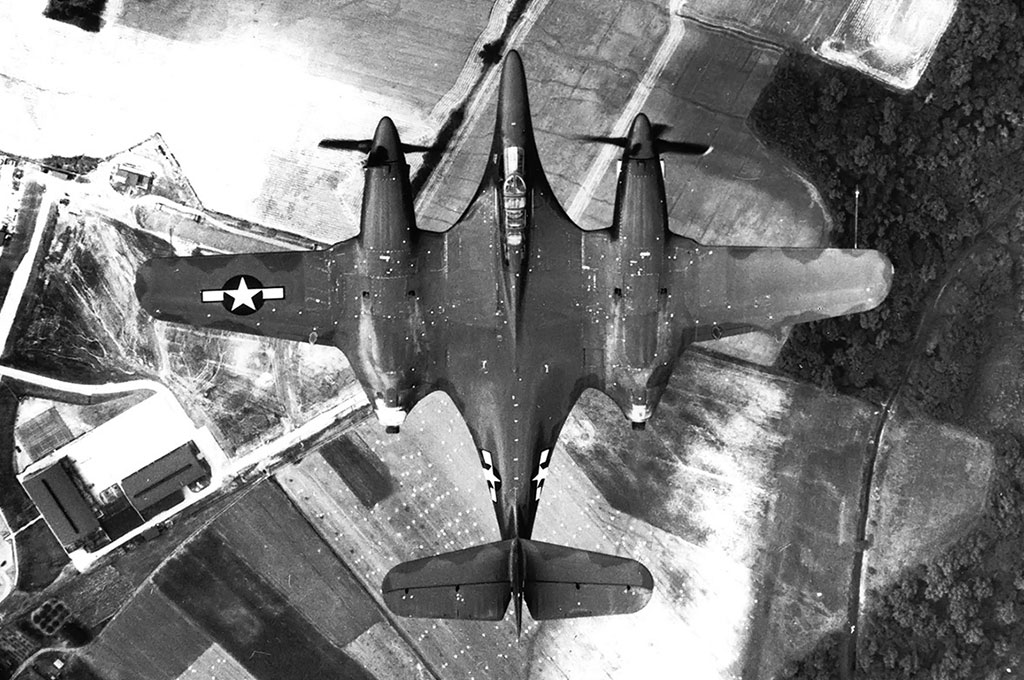
McDonnell aerodynamicists took things a bit too far, however. When the aluminum skin was sculpted tightly around the engines to reduce drag, the new, unproven Continental inverted V-12 engines suffered severe overheating. Additionally, aerodynamic instability and unforeseen drag limited the aircraft’s top speed to only 405 miles per hour. A crash during flight testing destroyed one of the two prototypes, and continued handling problems drove the company to cancel the program altogether. Unfortunately, the remaining, unflown example was scrapped, and none survive today.

Topics Related To: AVIATION HISTORY
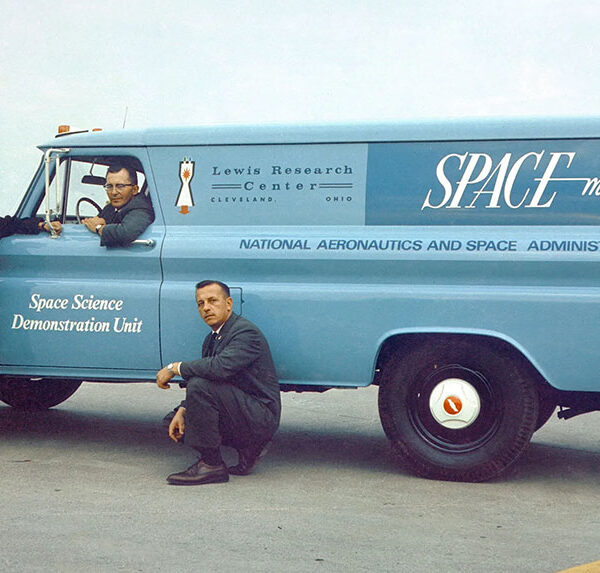
The Spacemobile: NASA’s Secret Weapon for Winning America’s Hearts
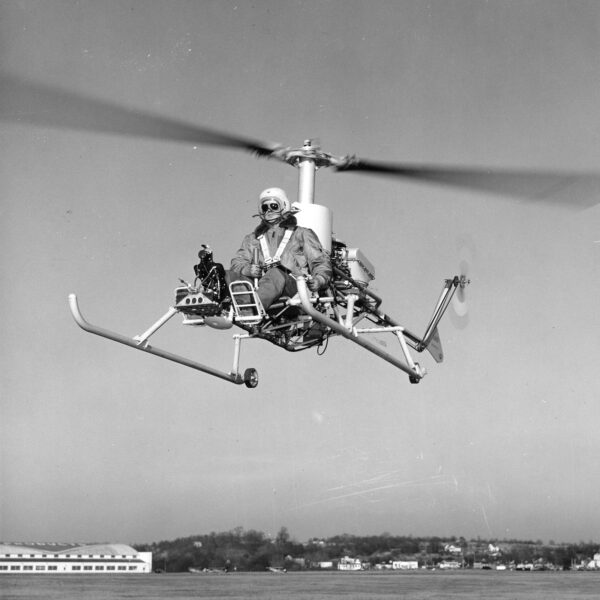
The Goodyear Gizmo: A 290-Pound Helicopter, Inflatable Rotors, and Convertiplane Dreams