

Top 5 Cities Preparing for the First Air Taxi Routes
The wheels of your Gulfstream G700 touch down at your destination, but your journey doesn’t slow down. Just steps from the cabin door, a quiet electric aircraft waits at the edge of the ramp. Minutes later, you lift above the airport, leaving traffic behind, and descend onto a rooftop vertiport in the heart of the city.
What once felt like science fiction is quickly becoming a new blueprint for urban mobility. Around the world, a select group of cities is already building the infrastructure to make air taxis a reality, redefining the final leg of travel for those who value time as much as destination.
1. Dubai

1. Dubai
A Luxury Leap: Dubai’s High-End Aerial Highway
Dubai has built its reputation on bold infrastructure projects, and urban air mobility is no exception. Government-backed initiatives are already underway to develop vertiports connecting airports, business districts, and tourism hubs. A vertiport functions as a dedicated hub for electric air taxis, combining landing pads, passenger lounges, and high-speed charging infrastructure into a compact urban footprint. The city’s first vertiport is expected to be fully operational by early 2026.
Dubai’s Roads and Transport Authority has partnered in an exclusive agreement with Joby Aviation to bring air taxi service to the region. With strong government backing and a willingness to embrace emerging technology, Dubai is well positioned to be among the first cities where air taxis transition from concept to everyday transportation.
2. Los Angeles
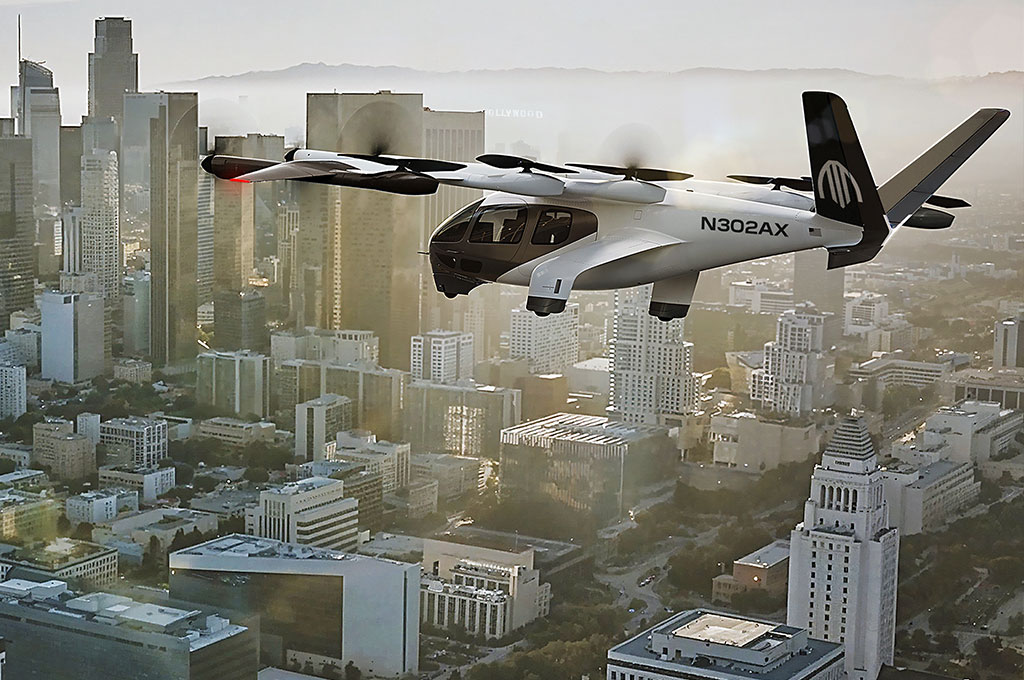
LA’s Olympic Flight Path
Few cities illustrate the promise of air taxis better than Los Angeles. With its sprawling layout and infamous traffic, even short distances can take hours on the ground. The 2028 Olympic Games are accelerating efforts to change that.
By partnering with companies like Archer Aviation and Joby Aviation, Los Angeles is working toward an aerial network linking major airports with downtown and key business districts. In a city defined by congestion, a ten-minute flight could replace a ninety-minute drive, making it one of the most compelling proving grounds for urban air mobility.
3. Paris
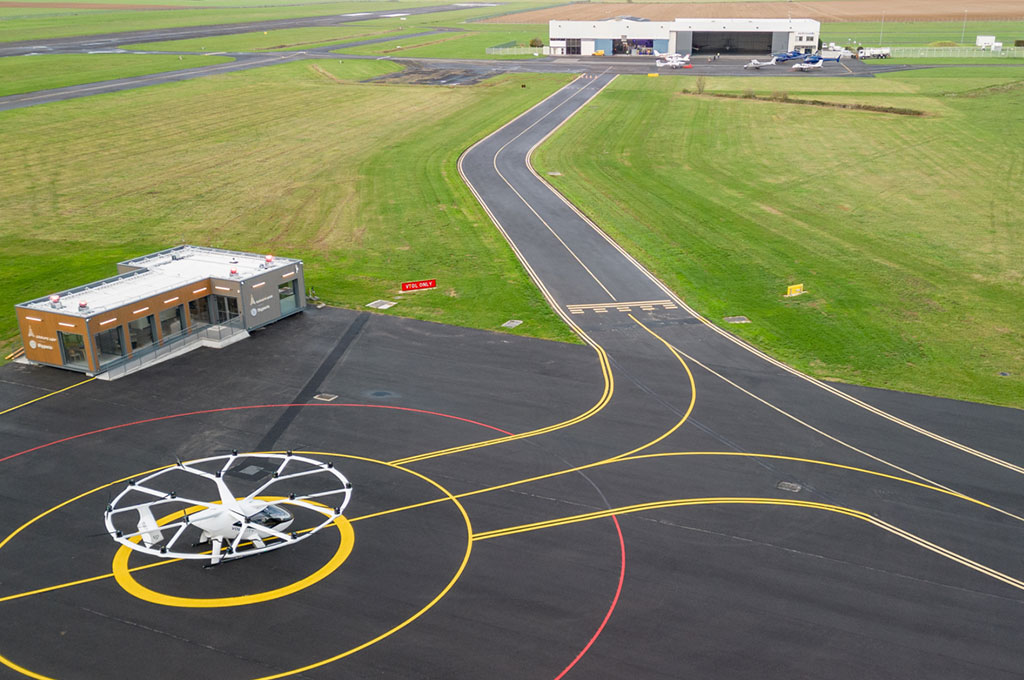
C’est La Vie-TOL: Elevating the Low-Altitude Economy
Paris is positioning itself as one of Europe’s leading testbeds for urban air mobility. Through collaboration between Groupe ADP and the French Civil Aviation Authority, the region has been developing a network of vertiports designed to connect major airports, including Charles de Gaulle, with the city center.
Demonstration flights with Volocopter have already shown what these short urban routes could look like in practice. While regulatory hurdles delayed a full debut during the 2024 Olympic cycle, Paris continues to serve as a blueprint for integrating air taxis into an already sophisticated transportation system.
4. Singapore

The Lion’s Leap: Singapore’s Homegrown Flight Path
Singapore’s compact footprint and forward-thinking infrastructure make it a natural fit for air taxi operations. Rather than relying solely on external developers, the city-state is also investing in local innovation, including aircraft concepts developed in partnership with institutions like Nanyang Technological University.
Backed by strong government coordination and collaboration with global aerospace suppliers, Singapore is exploring how eVTOL aircraft could connect urban districts, nearby islands, and even maritime routes. In a region where efficiency is paramount, air taxis could become a seamless extension of an already highly optimized transportation network.
5. Miami

The Magic City’s Vanishing Act
Miami is emerging as a key player in the U.S. air mobility landscape, using its geography to its advantage. With dense urban corridors and nearby coastal destinations, short flights could dramatically reduce travel times across South Florida.
Partnerships with companies like Joby Aviation and Archer Aviation, along with infrastructure efforts led by firms such as Skyports Infrastructure, are helping lay the groundwork for a regional network connecting Miami, Fort Lauderdale, and Palm Beach. For a city built on movement and access, the next evolution of transportation may arrive from above.
Commercial air taxi service is no longer a question of “if,” but “where.” While many cities are still waiting for the future to arrive, a select few are already building it. As certification milestones approach, these early adopters will offer something increasingly valuable: the ability to bypass the constraints of ground travel entirely.
For those who value a seamless transition from the tarmac to the boardroom, the first generation of urban flight may deliver the ultimate luxury; a sky with no limits.
This article was contributed by vintage aircraft owner and writer Ed Becerra, whose flying adventures can be found at youtube.com/@TheFlyingStampede.
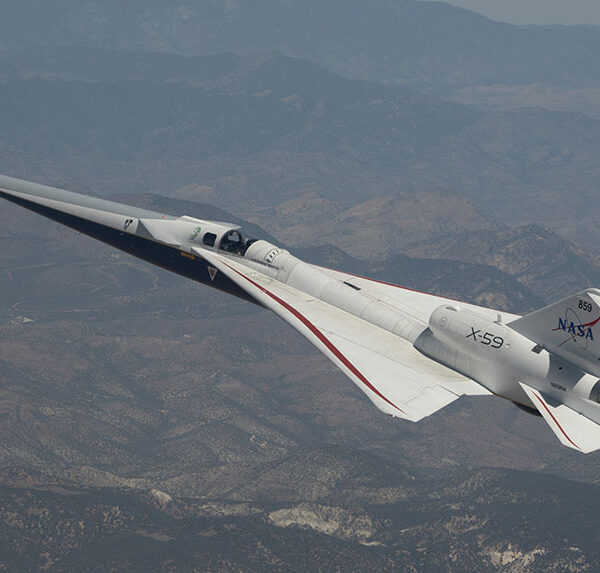
NASA Releases New X-59 Photo as Test Flights Top 55,000 Feet
A newly released image shows NASA’s X-59 from above, highlighting the airframe designed to eliminate sonic booms. Recent flights have exceeded 55,000 feet and have approached 900 miles per hour.

CFM’s Open Fan Engine Clears Key Milestones, with Flight Tests Targeting Late-2020s
CFM International completed critical design reviews for its Open Fan engine. Flight tests are on track this decade, with efforts aimed at achieving 20% better fuel efficiency than today’s engines.
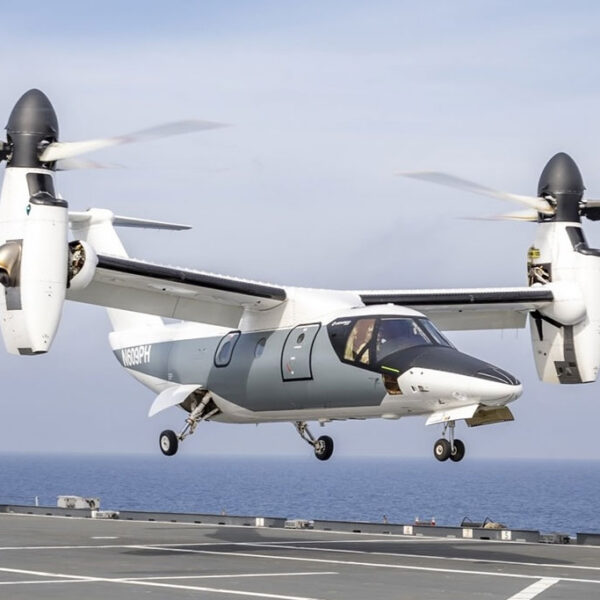
AW609 Civil Tiltrotor: 3 Things to Know About Leonardo’s Path to 2027 Entry Into Service
Leonardo’s AW609 tiltrotor targets 2027 civil certification as three milestones, including a flying next-generation prototype, demonstrate progress toward certification.
