

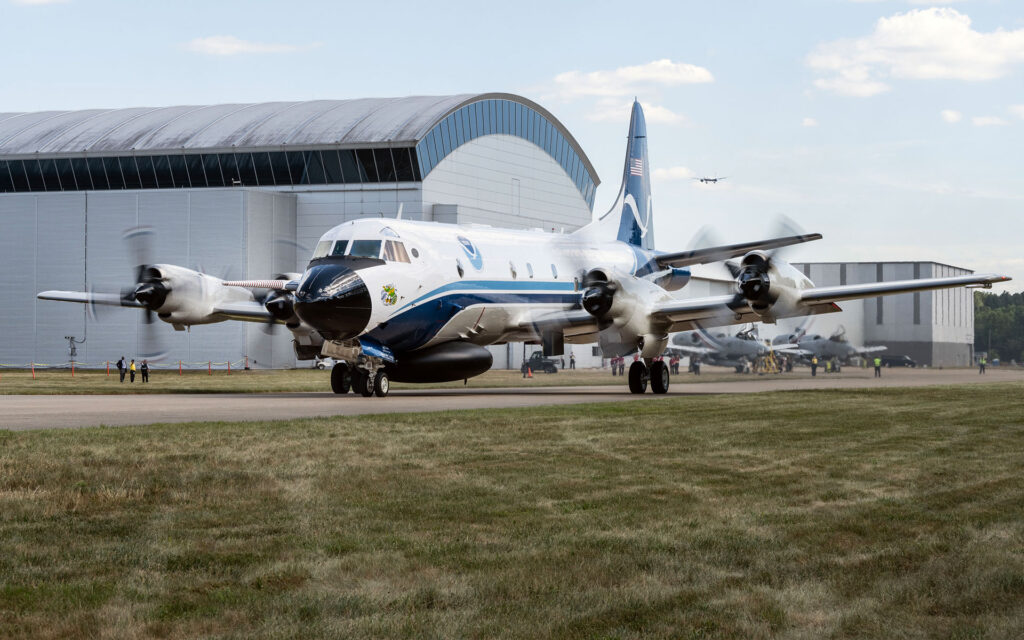
The “Hurricane Hunter” – NOAA Lockheed WP-3D
With a lineage dating back to the the 98-passenger Lockheed L-188 Electra that first flew in 1957, the WP-3D is one of two examples operated by the National Oceanic and Atmospheric Administration (NOAA) to collect weather information. These aircraft conduct meteorological, oceanographic and environmental research around the world, and are known for performing observations in and around hurricanes. In addition to utilizing the advanced radar equipment housed in the bulbous fairings, the WP-3D also has the capability of dropping expendable dropsondes – small GPS-equipped sensors that collect and transmit data as they fall through the atmosphere. Photo: Smithsonian’s National Air and Space Museum
Topics Related To: AVIATION HISTORY
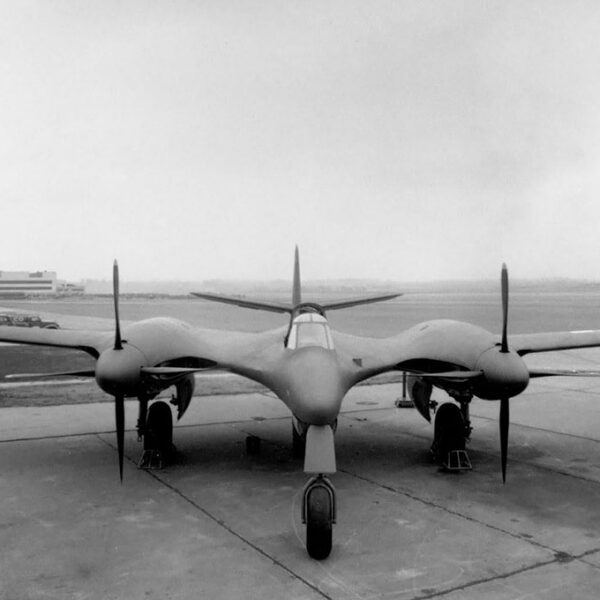
The McDonnell XP-67 “Moonbat” Represented Ambition Outpacing Engineering
The McDonnell XP-67 “Moonbat” combined cutting-edge technologies, including a blended-wing body and Continental XL-1430 engines, in pursuit of 472 mph performance. Engine overheating and aerodynamic instability ended the ambitious program before it could reach production.
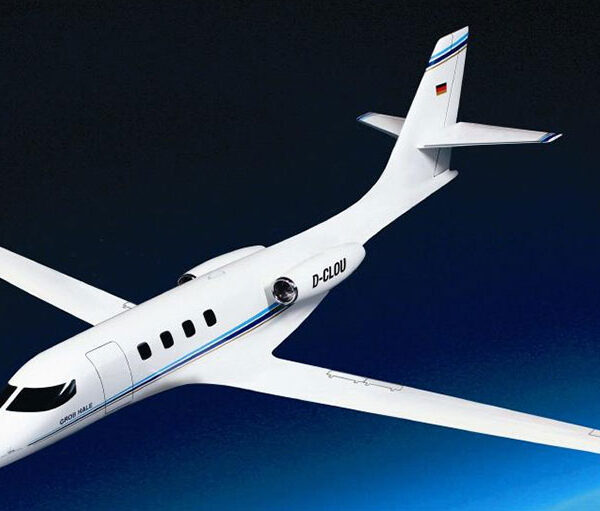
From Business Jet to Spy Plane: How a Civilian Jet Design Nearly Became a Military Surveillance Platform
Grob’s G600 concept would have converted a business jet into a 65,000-foot spy plane with 33 hours of endurance.
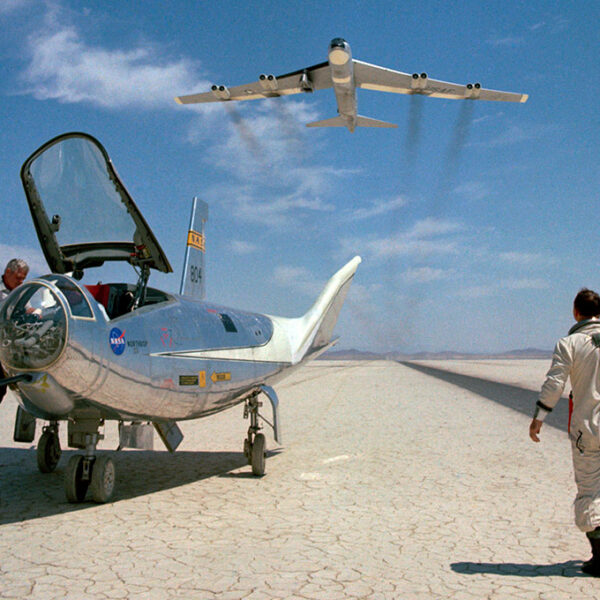
Northrop HL-10 Lifting Body Aircraft
To help study the science of spacecraft reentry into Earth’s atmosphere, NASA flew and evaluated various lifting-body aircraft.
