

Business Jet Cabin Design: How Skylights Make Interiors Feel Larger
Among all segments of aviation, business jets often serve as the ultimate showcase of design and innovation. Compared with other segments of the industry that prioritize cost and operating economy, such as airlines and air freight, business aircraft manufacturers tend to prioritize delivering the most modern, premium product and experience possible to end users, with less focus on cost.
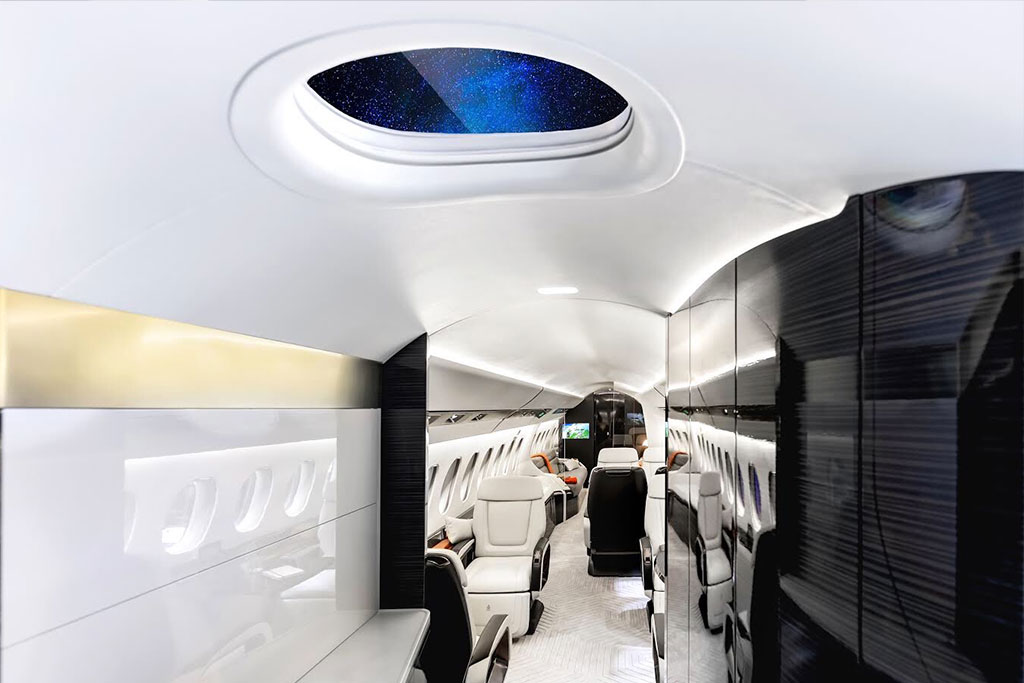
To a certain extent, if it can be imagined, it can be created.
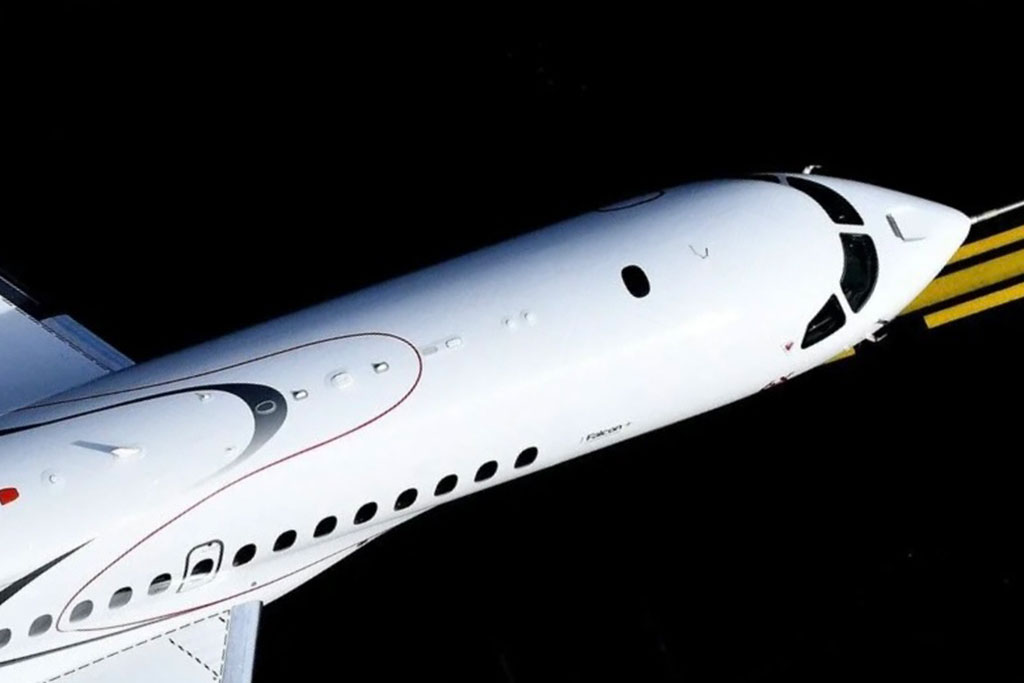
Such was the case with the integration of skylight windows – but unlike other innovations, this one was introduced quietly and has yet to see widespread use, either within the business aviation industry or beyond.
The general concept of aircraft skylights arose from a desire for a more open, bright cabin environment. While business jet cabins feel less claustrophobic than airline cabins by virtue of their open floor plans and lack of overhead bins, more sunlight and perceived space are always better, and in some cases, integrating an overhead window to achieve this is relatively simple.
Among modern business jets, Dassault was one of the first to integrate such a skylight in a production aircraft. The concept was outlined in a patent filing in 2014, and soon found its way into the Falcon 6X.
Positioned above the forward galley, the skylight is approximately the same size as a traditional cabin window. This provides welcome natural light to a traditionally dim area that sometimes requires removing or covering windows to enable the installation of appliances, closets, and the like.
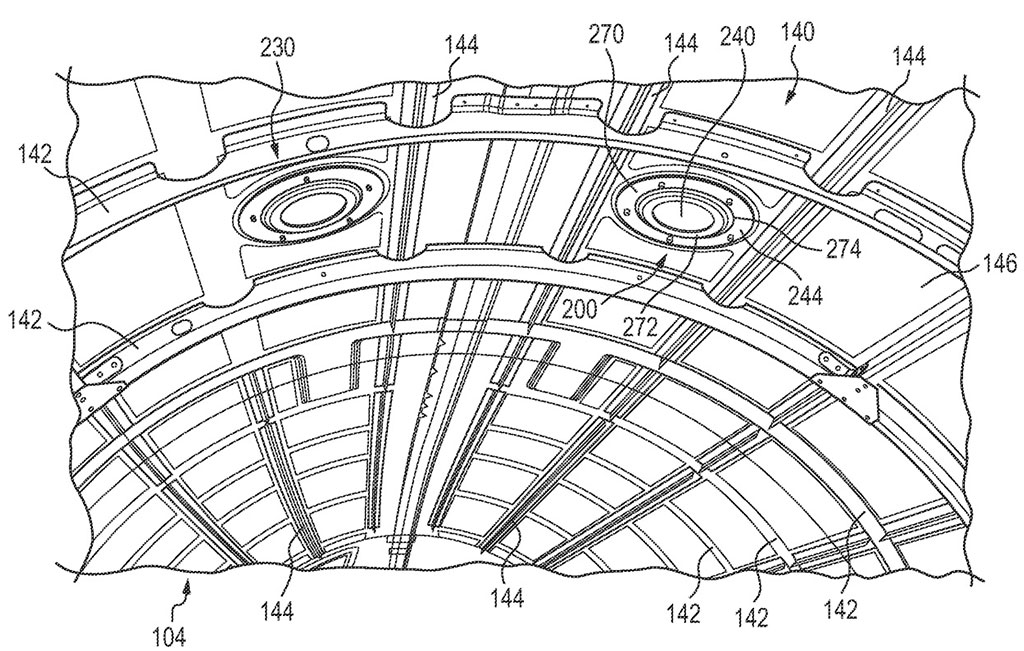
Within a couple of months of Dassault’s patent filing, Honda filed a similar patent for smaller skylight windows to be used in the HondaJet. Granted as a European patent in 2018, the design incorporates a pair of small, round windows in the lavatory ceiling:
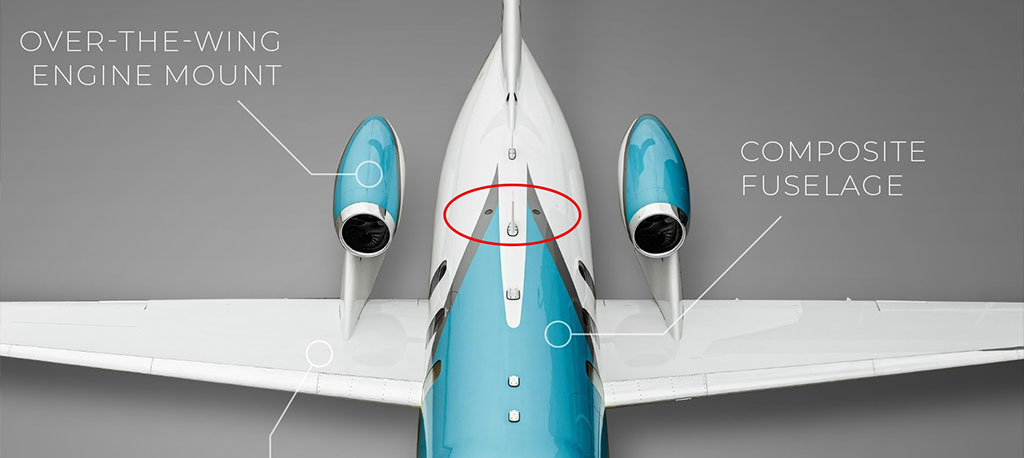
Similar to gallies, aircraft lavatories often feel dark and cramped, particularly in light jets, so Honda’s motivation to introduce natural light into their aft lavatory is understandable. Their decision to utilize two comparatively small, round windows was likely a function of engineering realities, as smaller windows would have less impact on the layout and design of the airframe and existing aircraft systems. Here, we see how neatly the small windows fit between fuselage stringers:
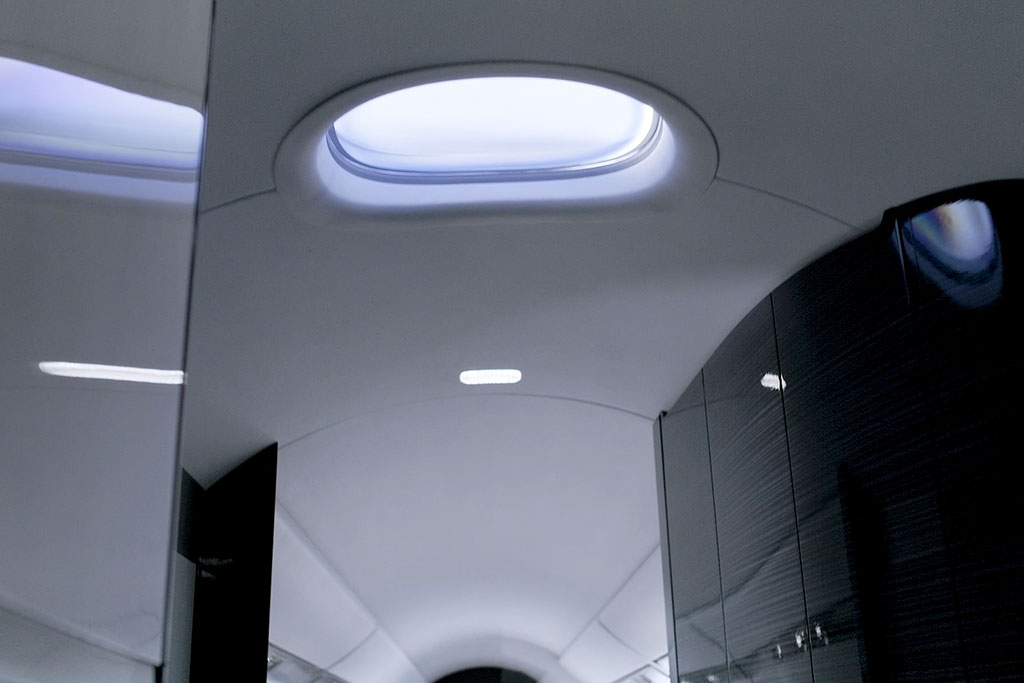
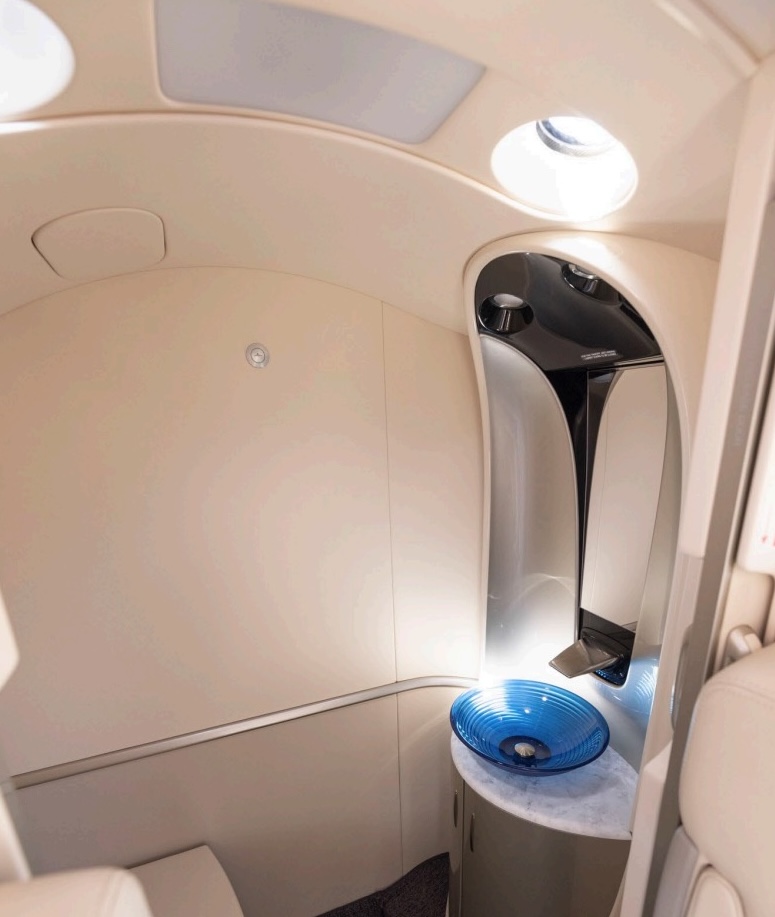
Inside, the windows do indeed introduce ample natural light into the lavatory, as seen in this photo looking aft:
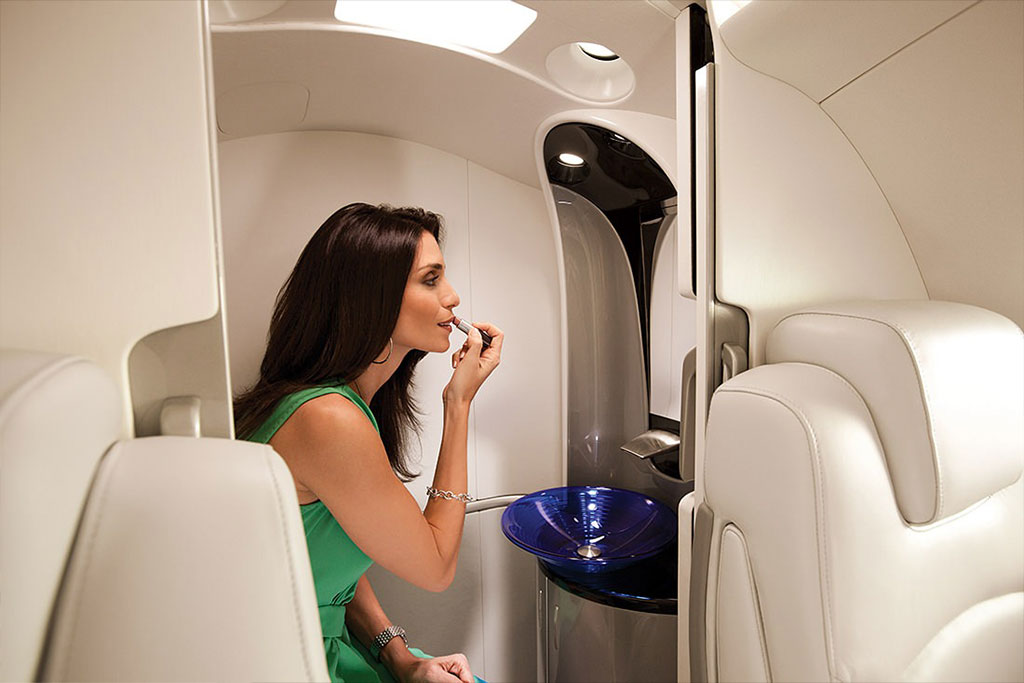
It is worth noting, however, that Honda’s creative photography techniques make the windows appear larger than they really are. When the photo exposure is adjusted, we can see how the windows themselves are notably smaller than their surrounds:
The cabin skylight trend continued in November of 2021, when Textron Aviation, parent company of Cessna, filed a US patent for very similar lavatory windows that would ultimately be installed in newer models of the Citation CJ3 and CJ4. Like the HondaJet, the concept used two small round porthole windows in the aft lavatory ceiling to bring natural light into the cabin rather than provide an outward view.
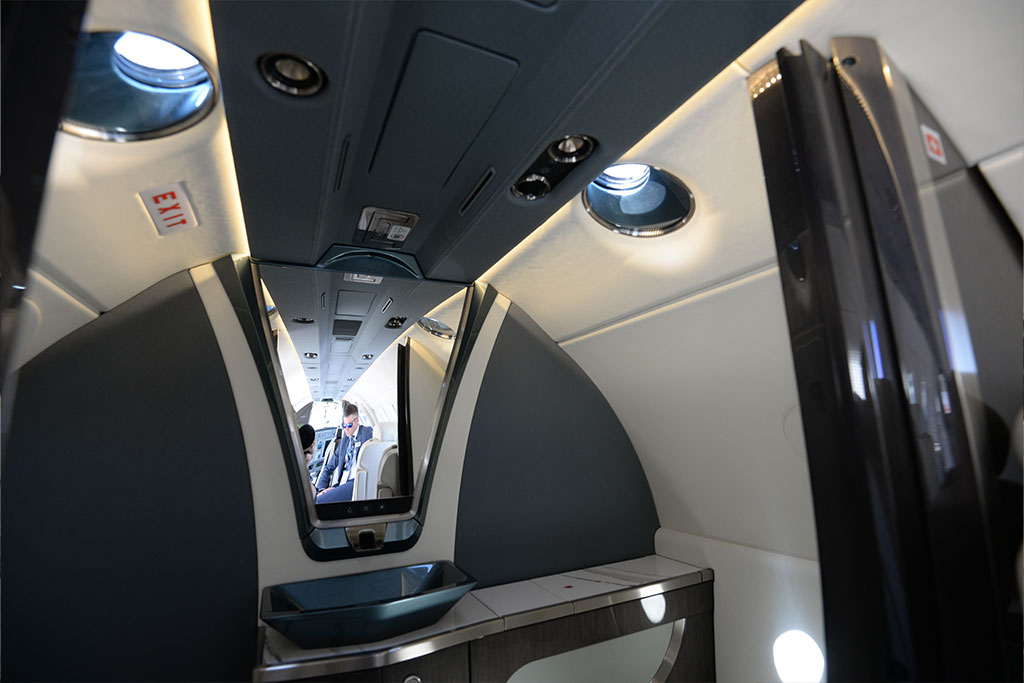
Textron markets their windows as “CoolView” windows, touting their ability to block infrared rays and ultraviolet light to help keep the cabin cool. While Cessna and Honda’s window size is relatively small compared to Dassault’s galley skylight, the decision to place them in the lavatory is logical, as it adds much-needed natural light to the smallest, most confined section of the cabin.
Ultimately, cabin skylights have not seen widespread use, and with the introduction of new technologies, this is unlikely to change. In May of 2025, Gulfstream filed a patent for a “Virtual Sky” display that uses sophisticated screens and cameras to provide a real-time view of the sky on the cabin ceiling. The system is intended to create the bright, open atmosphere of a true window with none of the structural and technical constraints inherent in physical windows.
Upstart Otto Aviation is taking things a step further. Their proposed Phantom 3500 super midsize business jet will have no cabin windows at all, instead using virtual windows along the cabin walls and ceiling. Their motivation for doing so is twofold: create a unique, immersive experience for passengers, and eliminate the imperfections introduced by cabin windows to increase overall aerodynamic efficiency.
If these concepts come to fruition and are successful, it’s likely that physical skylights will remain nothing more than a tiny footnote in aviation history.
Topics Related To: MODERN AVIATION
Engineering in Motion: How Business Jet Tire Design Keeps Water Spray Out of Engines
A look at how aircraft tires are engineered to deflect water away from engines.
Textron Aviation Confirms Beechcraft Bonanza and Baron Discontinuation Following Their Quiet Removal from Website
Questions triggered by website update lead Textron Aviation to acknowledge it is ending production of the Beechcraft Bonanza and Baron

Cross-Country Adventure: An Epic Flying Trip Through the Western US
Two professional pilots take a break from airline and military flying to adventure through the western US in their experimental airplane.
