

Air Force One Is a Call Sign, Not a Plane: Every Presidential Aircraft Title Explained
Mention the name “Air Force One,” and virtually everyone will envision the same thing: a gleaming Boeing 747 adorned with United States of America titles with the President of the United States aboard. But despite this universal interpretation, some lesser-known naming conventions dictate the callsign of any aircraft transporting the President. In other words, that familiar 747 isn’t always called Air Force One, and not every aircraft carrying the President uses that callsign.
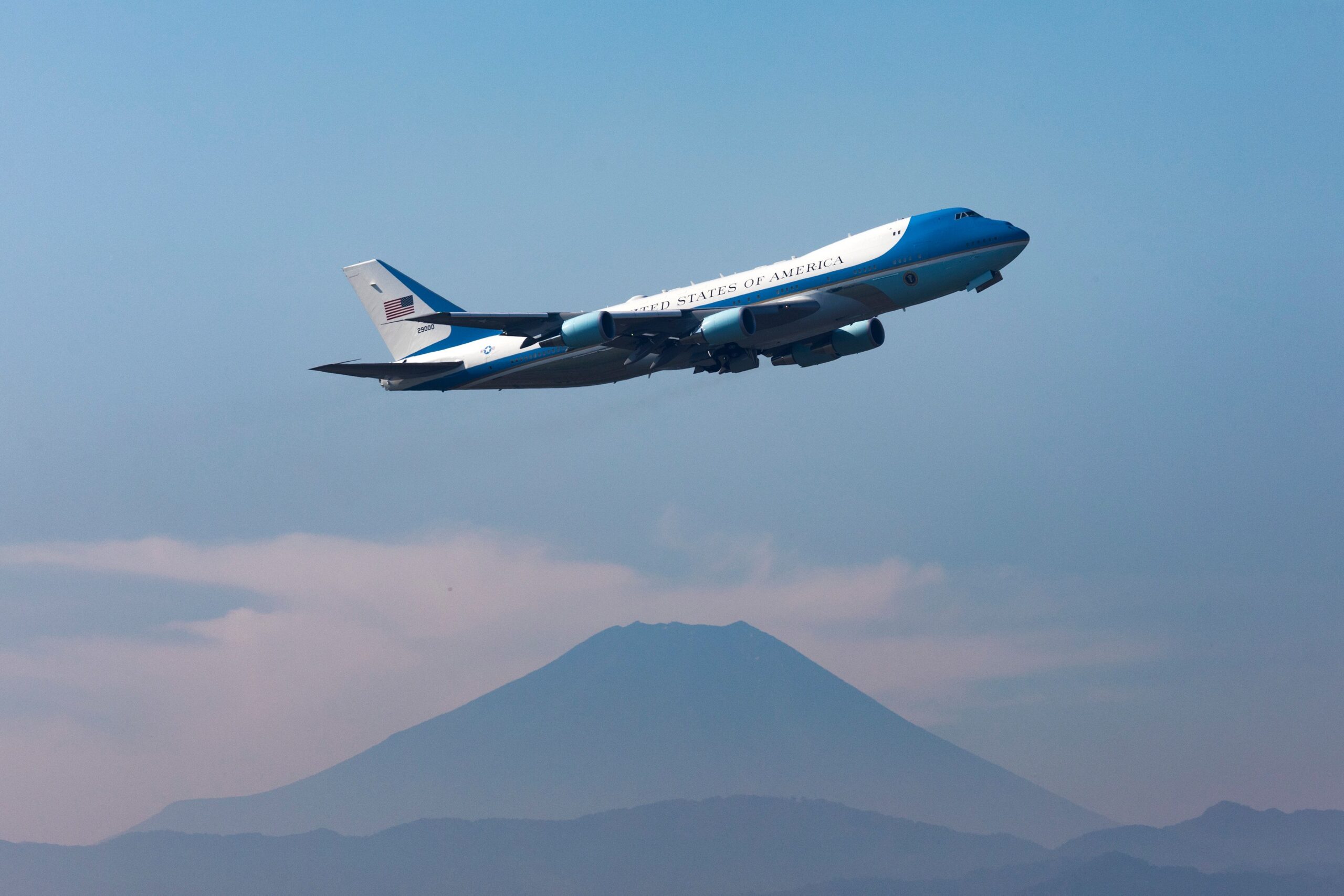
Here, we explore which callsigns various aircraft use when the President is aboard, and why the callsign isn’t always Air Force One.
US AIR FORCE
When the President travels aboard a US Air Force aircraft, the callsign is, predictably, Air Force One. The aircraft most often seen transporting the President is a military version of the Boeing 747 airliner, modified with unique systems to enhance communications capabilities and ensure the safety of those aboard. When the President is not on board, the designation reverts to its US military designation, the VC-25.
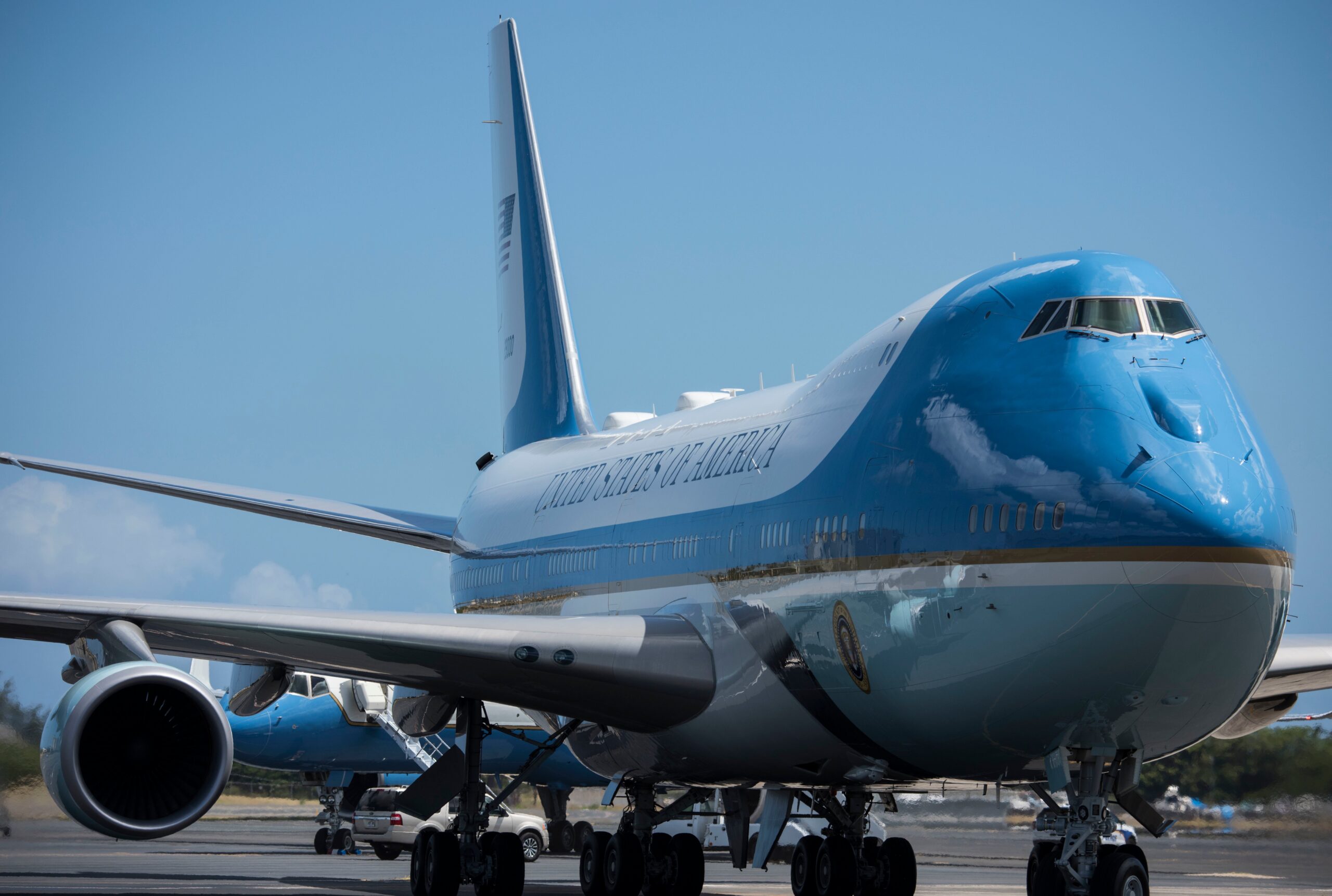
Outwardly, the VC-25 closely resembles a standard 747 and is generally distinguishable only by its paint and assortment of antennas and sensors.
Historically, US Air Force presidential aircraft types began with a modified version of the Consolidated B-24 Liberator during WWII, and continued with Douglas and Lockheed propliners through the 1950s. In 1959, the President entered the jet age with the VC-137, a modified version of Boeing’s 707 airliner. Finally, in 1990, the VC-25 took over as the Air Force’s primary presidential transport.
US NAVY
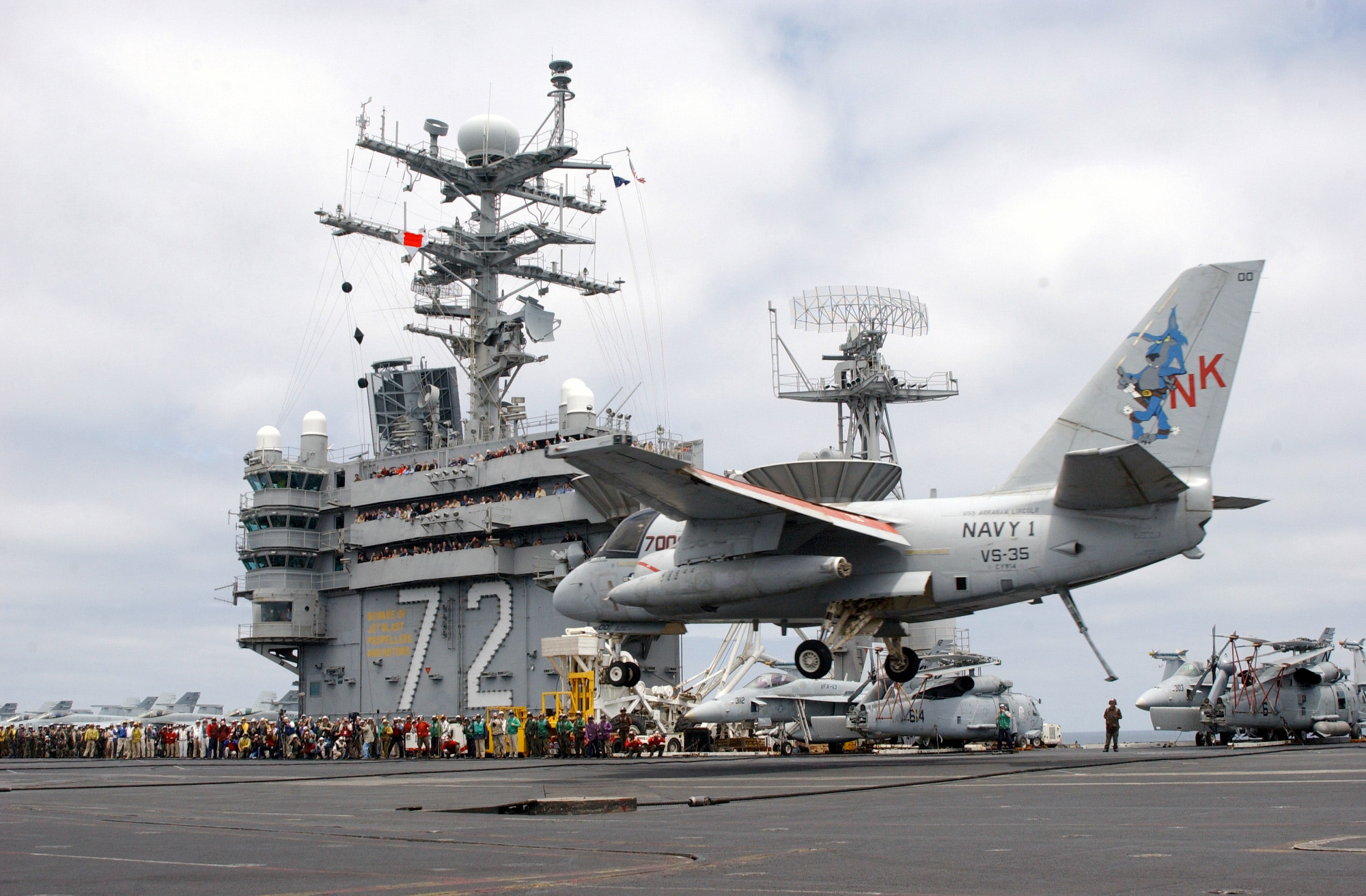
Any US Navy aircraft carrying the President becomes “Navy One,” and throughout history, this has only occurred once, in May 2003. On that occasion, a Lockheed S-3 Viking transported President George W. Bush to the USS Abraham Lincoln aircraft carrier off the coast of San Diego, California. When that S-3 was retired two months later, it was placed on display at the National Naval Aviation Museum in Pensacola, Florida.
US Marines
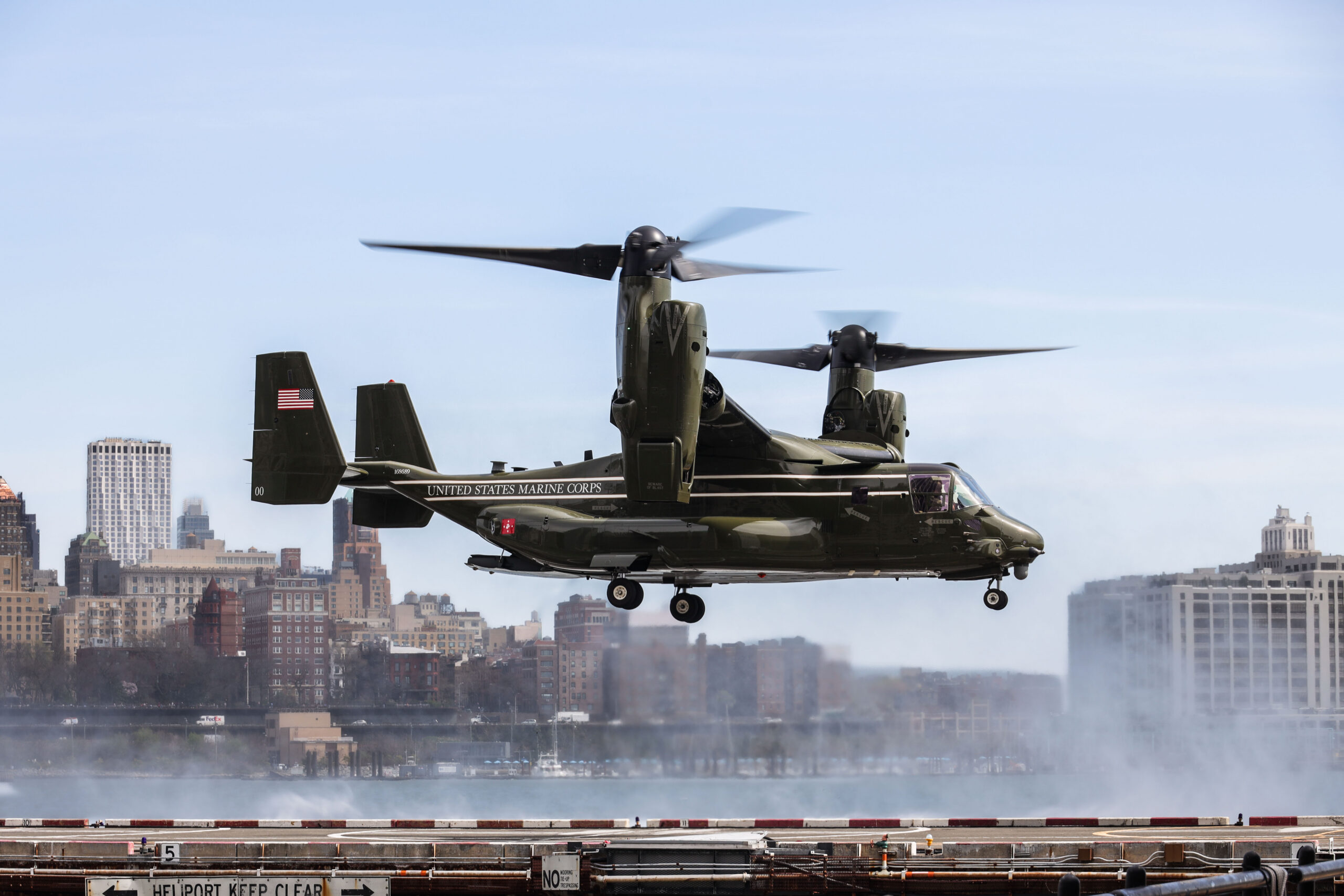
A common sight at the White House and in the Washington, DC metropolitan area, Marine One typically takes the form of a US Marine helicopter from Marine Helicopter Squadron One (HMX-1). This mission uses an assortment of aircraft, including the Sikorsky VH-92 Patriot, the Sikorsky VH-60N White Hawk, and the Bell-Boeing MV-22 Osprey. Like the Air Force counterparts, each assumes the title “Marine One” with the President aboard.
US ARMY
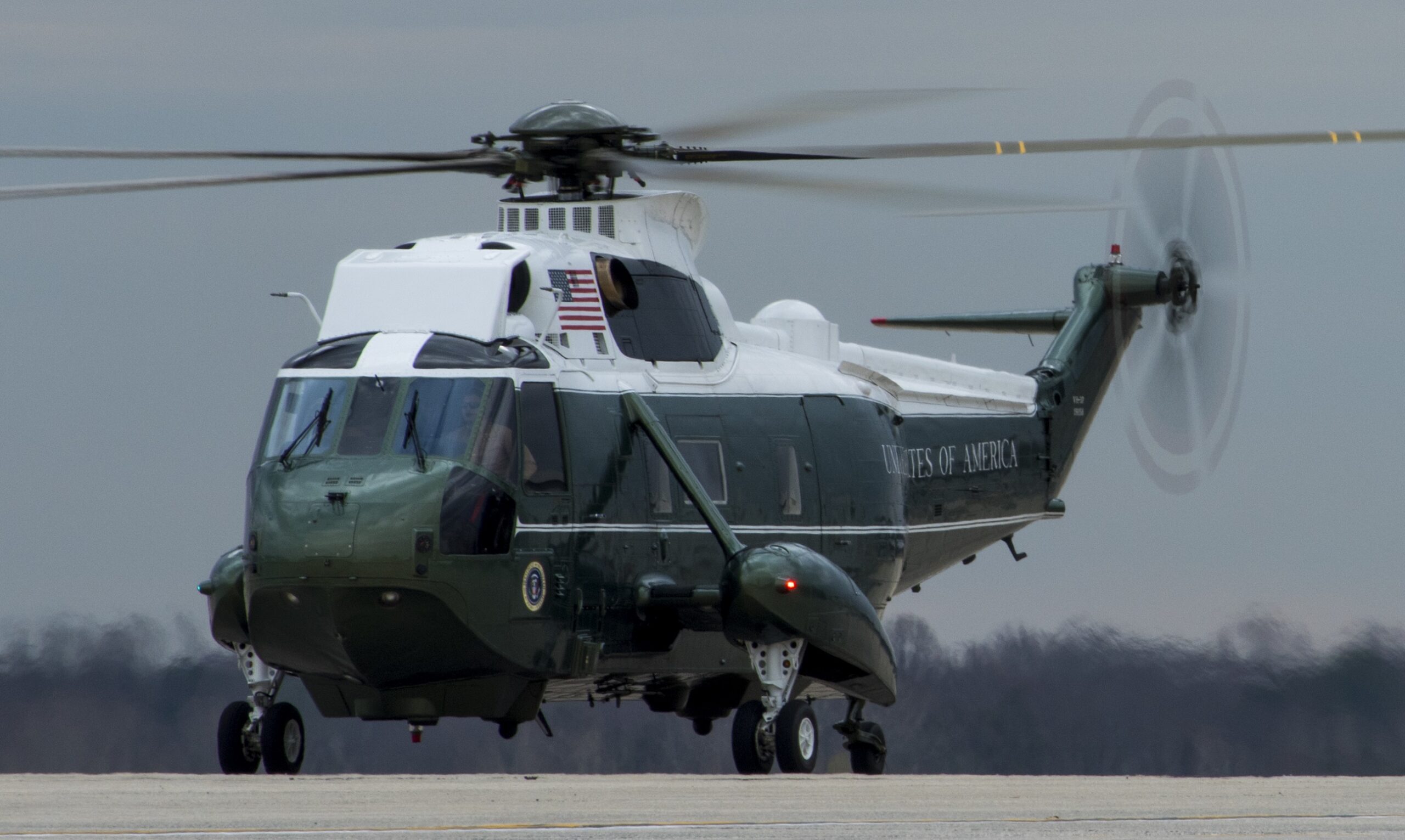
Any U.S. Army aircraft transporting the President becomes Army One. Despite the variety of fixed-wing aircraft in the Army’s inventory, this has only occurred on helicopters – and not always on the Army’s helicopters. For example, during the 1960s and 1970s, Sikorsky VH-3A helicopters, as shown below, were regularly used for Presidential transport, and their call signs varied between Marine One and Army One depending on whether Marine or Army pilots were operating the helicopter.
US COAST GUARD
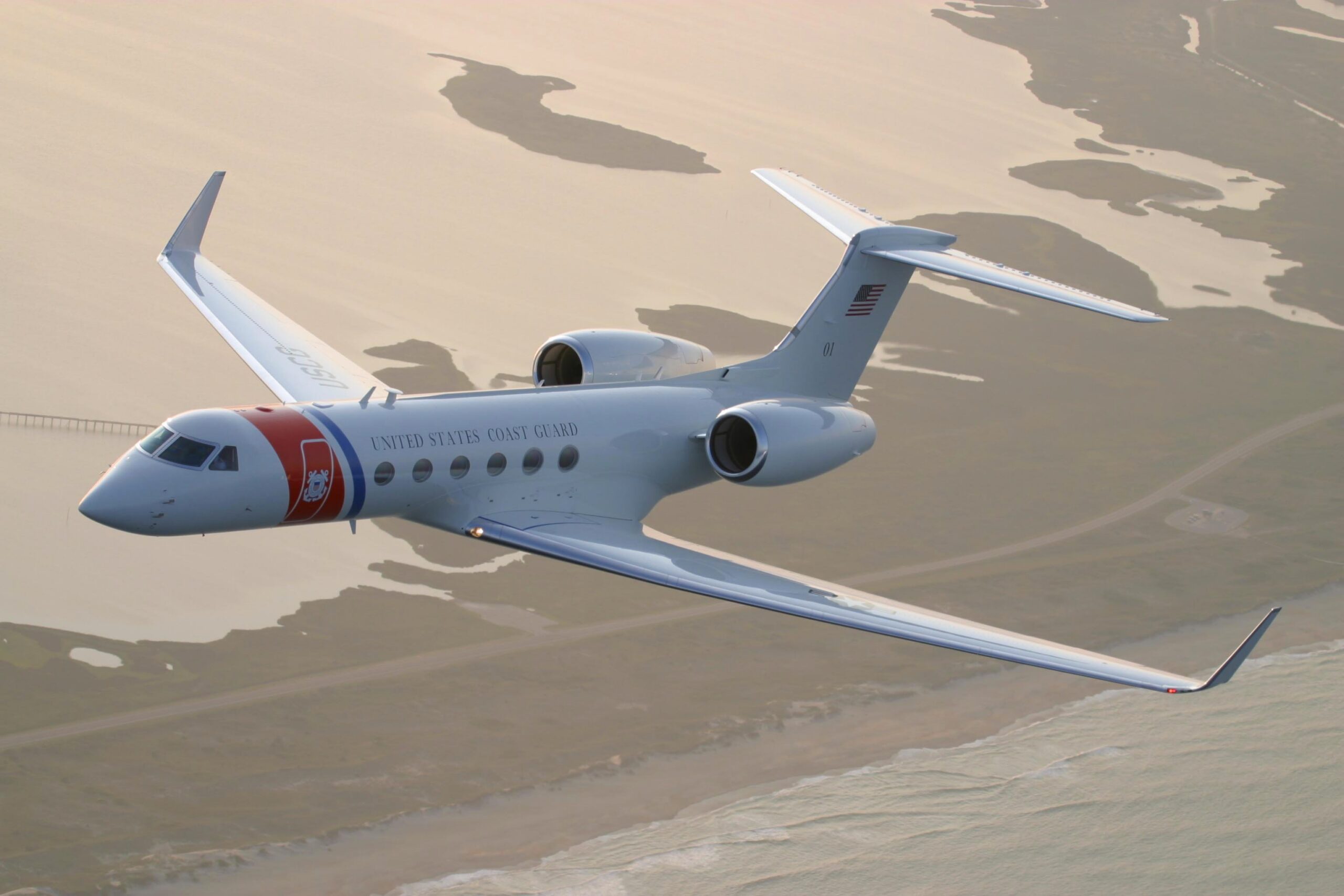
Although the same naming convention exists for the US Coast Guard, no sitting President has ever traveled aboard a US Coast Guard aircraft. If this were to happen, the Coast Guard would most likely use the Gulfstream C-37A, a business jet based on the civilian Gulfstream V and used to transport the Commandant.
CIVILIAN AIRCRAFT
Executive One is the callsign reserved for any civilian aircraft transporting the President, such as a commercial airliner. To date, this has occurred only once. In 1973, President Nixon flew aboard a United Airlines DC-10 from Washington, DC to Los Angeles, California.
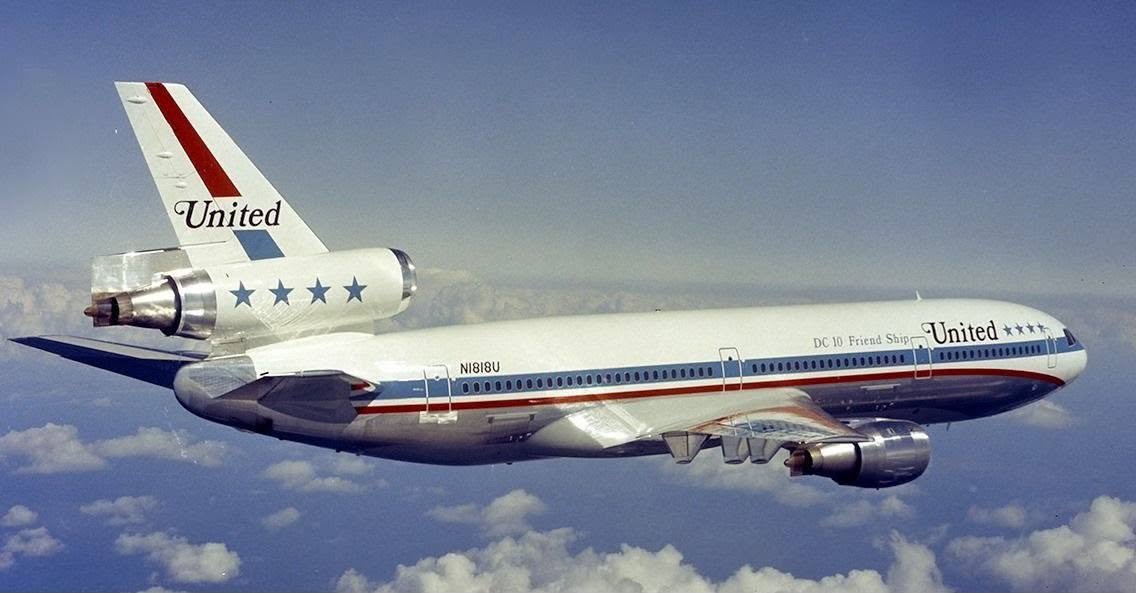
This flight was conducted primarily for publicity, to demonstrate his support for the airline industry during the energy crisis. Nixon, his wife and daughter, and 22 staffers bought 13 first-class tickets and 12 coach tickets, traveling alongside civilian passengers.
The Executive One callsign is more commonly used when an outgoing President is transported aboard a military aircraft when departing the Capitol, after their successor has been sworn into office.
Topics Related To: MODERN AVIATION
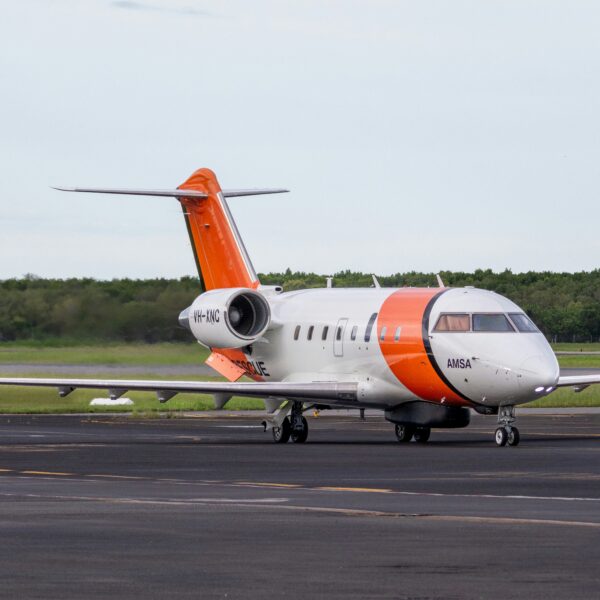
Repurposed for Rescue: How the Challenger 604 Business Jet Found Its Calling Over the Southern Ocean
Ten years after entering service with the Australian Maritime Safety Authority, the Challenger 604 has transformed from luxury business jet to dedicated search-and-rescue aircraft, patrolling one of the world’s largest SAR regions.
Second Dassault Falcon 10X Emerges to Support Certification Plan
The second Dassault Falcon 10X airframe emerges from final assembly, advancing the test and certification process with an anticipated 2029 entry to service.
EAA AirVenture 2026 From the Goodyear Blimp
A panoramic view of the 2026 EAA AirVenture fly-in, as seen from one of the Goodyear blimps.
