

Four Reasons Aircraft Flotation Bags Saved Aircraft but Never Saw Widespread Use
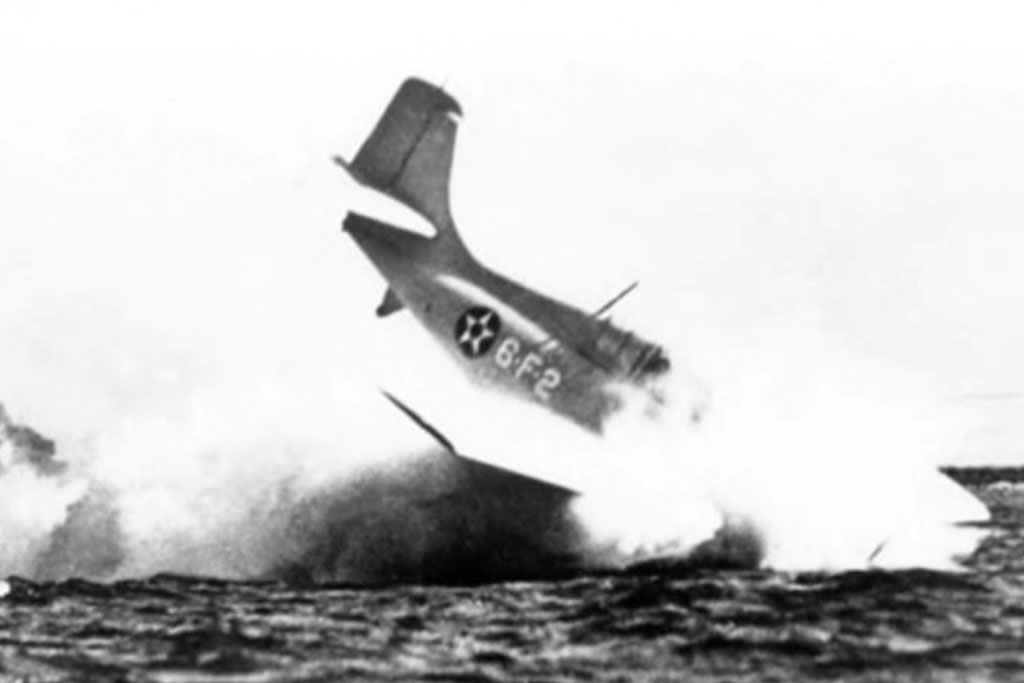
Since the early days of aviation, various militaries have had to cope with the reality of losing aircraft after ditchings, or forced landings on water. Whether a result of fuel starvation, mechanical failure, or combat damage, it wasn’t uncommon for an aircraft to ditch relatively unscathed and with its occupants uninjured, only for it to be lost entirely after sinking into the water.
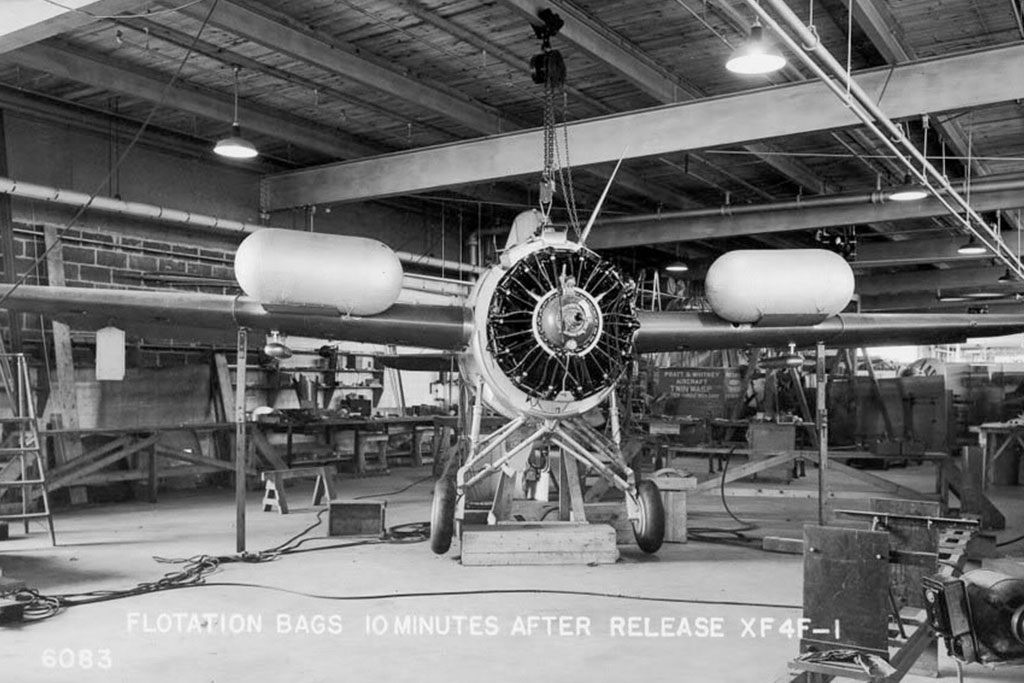
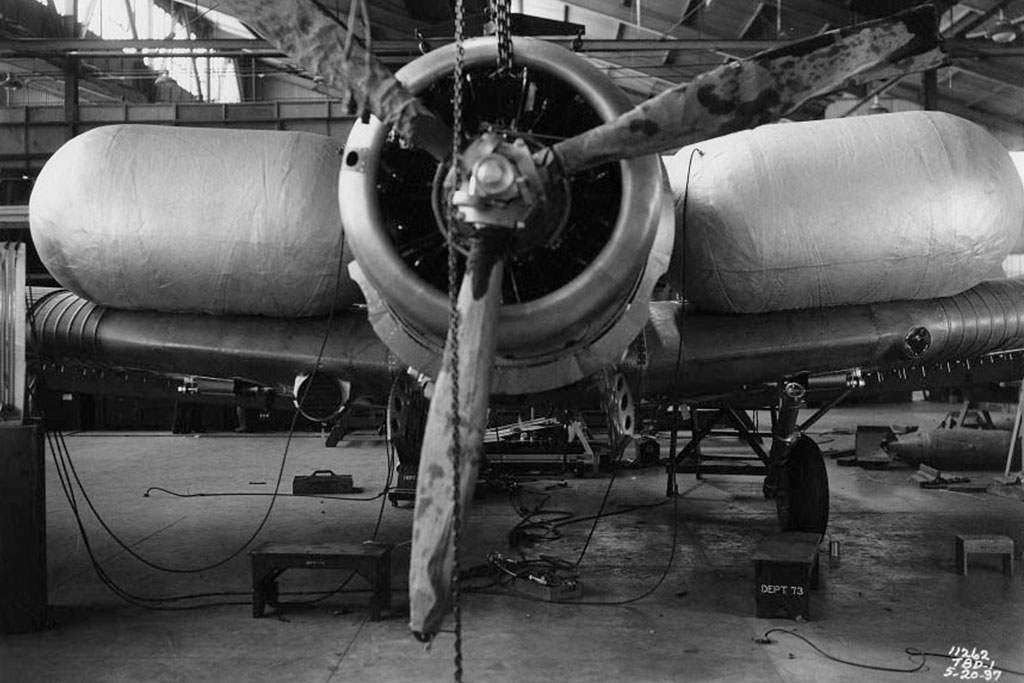
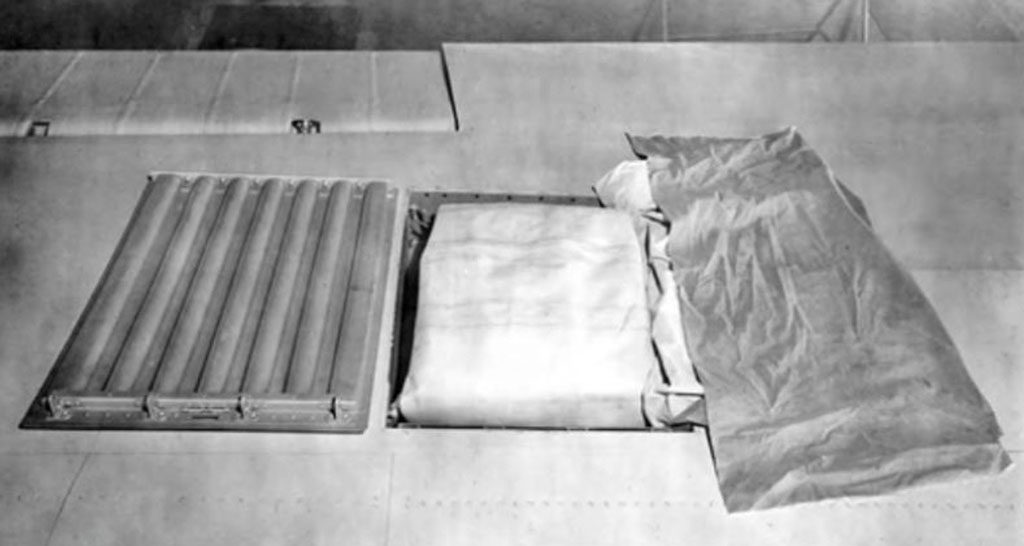
It didn’t take long for the concept of flotation bags to emerge. The concept was based on inflatable rubber bags stowed in the wings of an aircraft that the pilot could deploy after ditching to prevent the aircraft from sinking. In addition to enabling the aircraft to be salvaged and reused, the system would also provide the aircraft’s occupants with an easily spotted vessel of sorts upon which they could wait while rescue operations commenced.
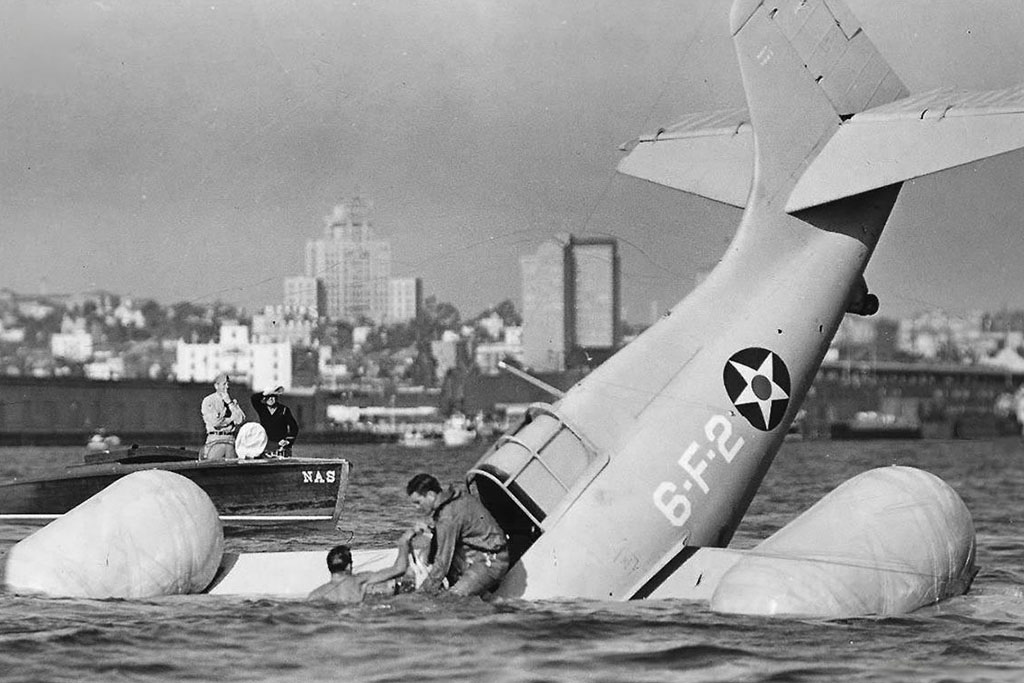
The concept had merit. Enough that multiple aircraft manufacturers developed flotation systems for evaluation and even limited service. On the Allied side, types such as Grumman’s Wildcat and Douglas’ Dauntless and Defender were equipped, and on the Axis side, the Japanese Zero was, as well. In all cases, the concept saw only limited use before being phased out entirely.
Why, given the benefits, did the concept not endure? Here, we take a closer look:
1. In-Flight Deployment Risk
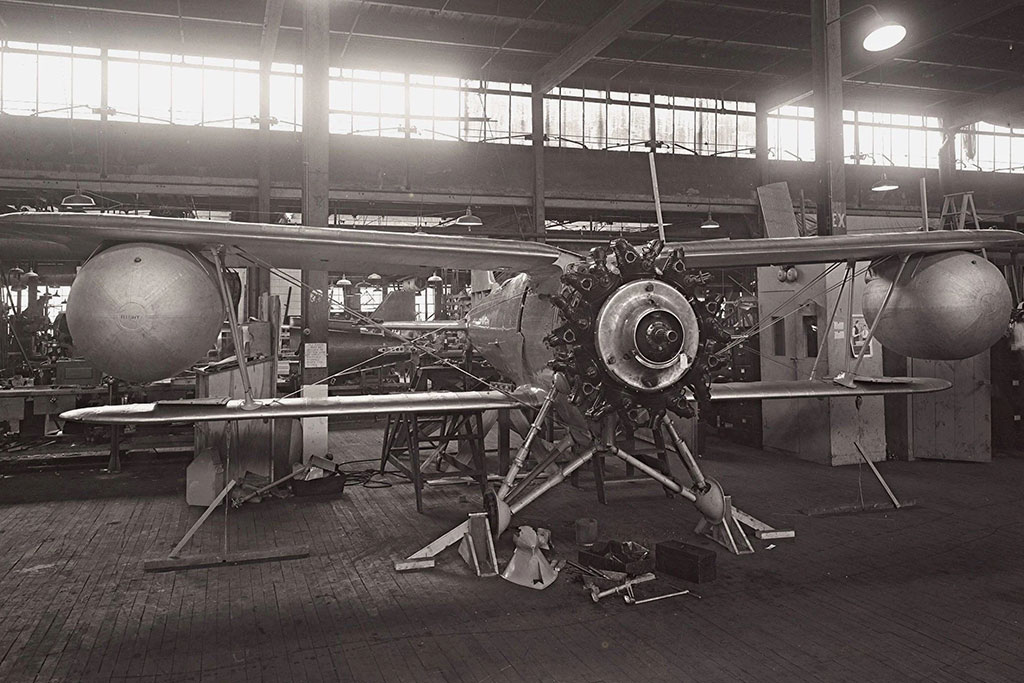
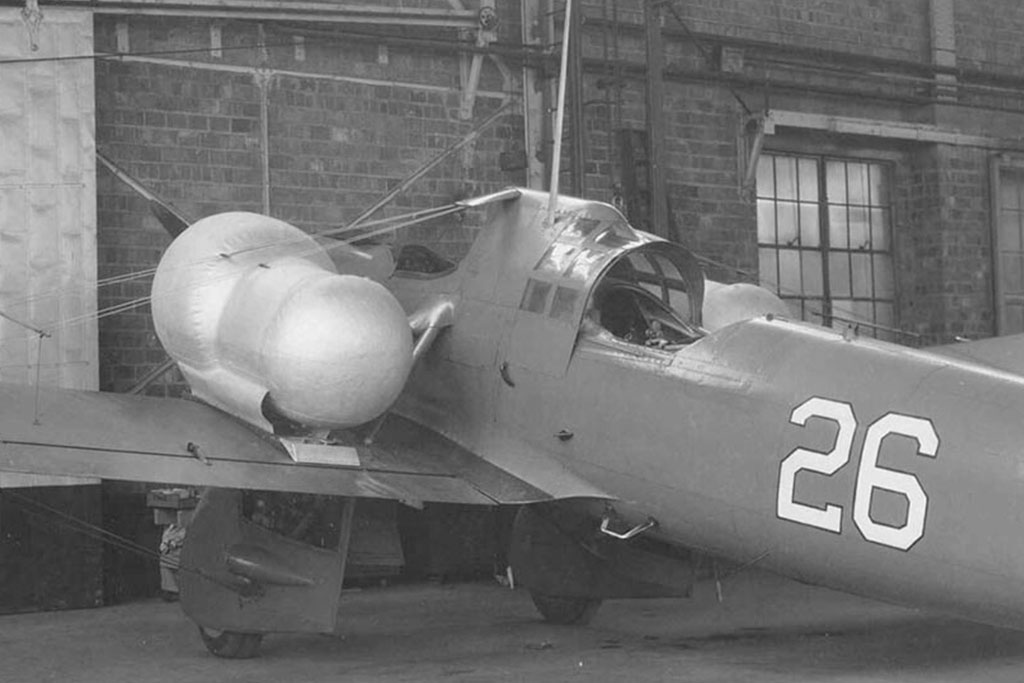
As effective as flotation bags were at preventing an aircraft from sinking in the water, they were perhaps even more effective at preventing an aircraft from maintaining controlled flight following an uncommanded deployment. Indeed, when an object the size of a motorcycle deploys in flight and remains attached to the wing, aerodynamic chaos ensues. The sudden loss of lift and increase in drag would render most aircraft uncontrollable, particularly if only one wing is affected. In the years the concept was evaluated, multiple fatal crashes reportedly occurred due to such malfunctions.
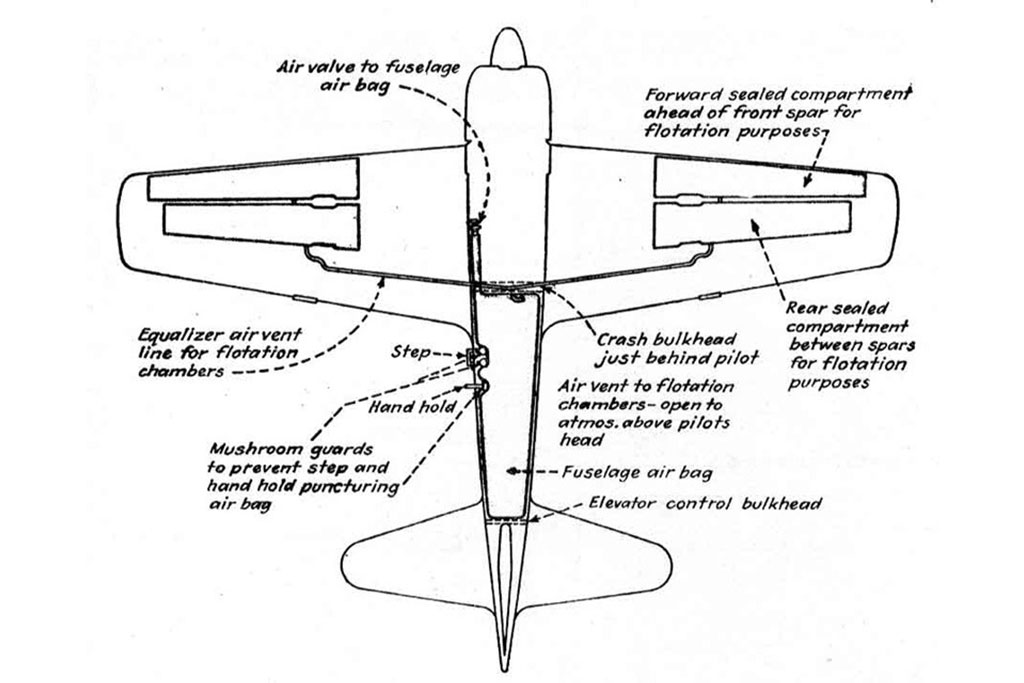
One notable exception to this risk was the Japanese Zero. The Zero’s designers took a particularly thoughtful approach to the design of their flotation system by ensuring the flotation bags would always remain safely contained within the airframe. Two sealed internal wing tanks provided flotation at the aircraft’s center of gravity, and a large waterproof canvas bag was housed in the aft fuselage section to support the tail.
2. Weight
Every aircraft benefits from increased performance when its weight is reduced. Conversely, every additional pound of weight reduces key performance metrics, such as the takeoff distance, rate of climb, and range. Consequently, every pound of weight added to an aircraft must produce a net benefit to earn its keep.
In the case of flotation bags, it was clear they provided a benefit. But when it became clear how much additional fuel, ammunition, or payload could be carried after their removal, it also became clear that during times of war, offensive capability mattered most. While salvaging aircraft was beneficial, combat effectiveness emerged as the clear priority.
3. In War, Destruction of Downed Aircraft and Equipment Can Be Beneficial
No military wants its aircraft to fall into the hands of the enemy, and during war, a ditched aircraft floating on the ocean surface is effectively free for the taking. If a captured aircraft is airworthy or can be made so, an opposing military can fly it and thoroughly evaluate its performance. Such an in-depth understanding of its capabilities would provide a significant advantage in future tactics and strategy.
An aircraft’s contents can be even more critical than the aircraft itself. During WWII, intelligence, operational procedures, and battle plans were commonly carried in the cockpit. Such sensitive information must be protected at all costs, and, given the option, any military would prefer that such intelligence sink to the ocean floor rather than fall into enemy hands.
4. Ditched Aircraft Aren’t Necessarily Salvageable
While flotation bags proved effective at preventing the loss of ditched aircraft, this did not guarantee that those aircraft would ever return to the skies. Immersion in salt water would contaminate the entire airframe, and complete disassembly, cleaning, and reassembly would be necessary to prevent corrosion from plaguing the rebuilt aircraft. While technically possible, the required logistics and manpower exceeded the airframe’s value. It was simply easier and more efficient to replace the aircraft entirely.
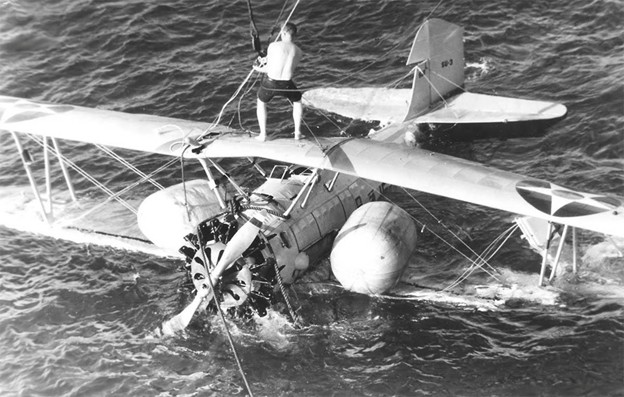
In addition, most ditchings subject the engine and airframe to extreme forces. Propellers are deformed upon contact with the water, even if they’re not turning, and they transfer that force to the engine’s crankshaft. This, along with the aforementioned saltwater exposure, necessitates a complete engine rebuild. Similarly, airframes aren’t designed to withstand the forces incurred during ditchings. In most cases, substantial sections of the wing and fuselage would have to be rebuilt entirely before the aircraft could fly again.
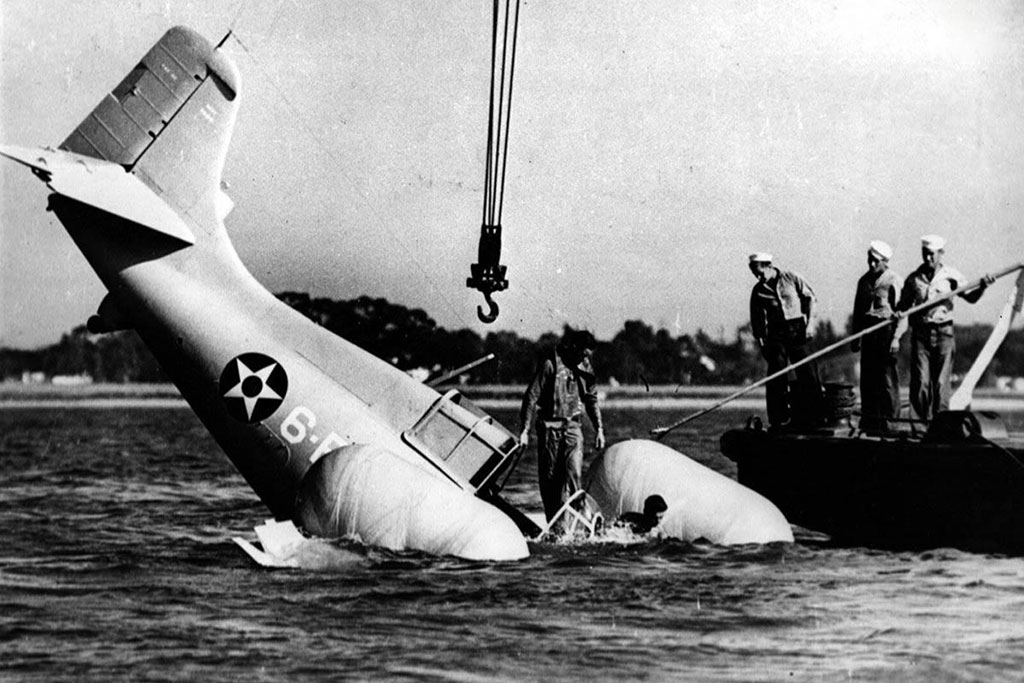
All of these factors, combined with the relative lack of budgetary constraints during WWII, ultimately doomed the flotation bag concept. As aircraft transitioned from piston engines to more reliable powerplants, and as search-and-rescue operations and survivability technology evolved, the net benefit of flotation bags dwindled, and the systems were gradually removed from the few types equipped with them until they disappeared altogether.
Topics Related To: AVIATION HISTORY
Piper Cub Catapult Takeoff
Pan Am Helicopter Transfer

