

The Boeing 777X’s Folding Wingtips: Engineering a Giant to Fit Any Gate
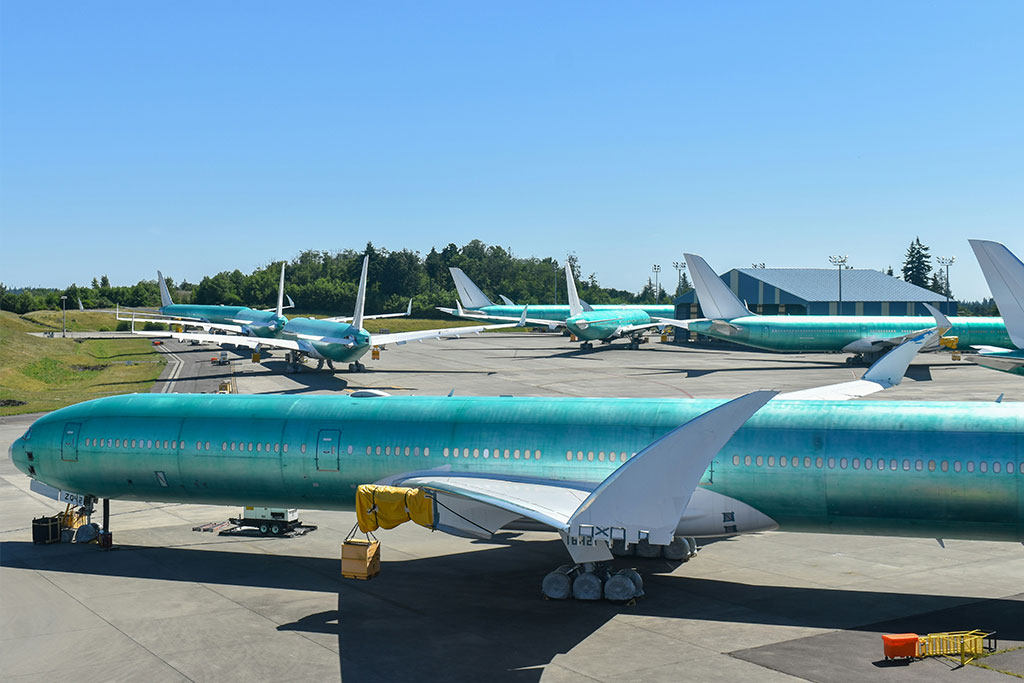
Wearing the teal anti-corrosion coating that is applied prior to paint, and with weights hung on the engineless wing pylons to ensure it doesn’t tip onto its tail, a newly built Boeing 777X widebody airliner is shown parked with its wingtips folded upward.
Advanced wingtips are nothing new. For decades, aircraft of all sizes have flown with them to increase efficiency. By carefully controlling the airflow spilling off of the wingtip in flight, drag can be reduced, which in turn reduces fuel burn.
But wingtip extensions, whether in the form of vertical winglets or extended tips, can create problems on large aircraft when it comes to size. Gates and taxiways often have wingspan restrictions, and large airliners can easily exceed them. So, when Boeing determined that extended, flat wingtips would be ideal for their new 777X, they had to ensure the new, larger aircraft would still fit in existing gates and on existing taxiways.
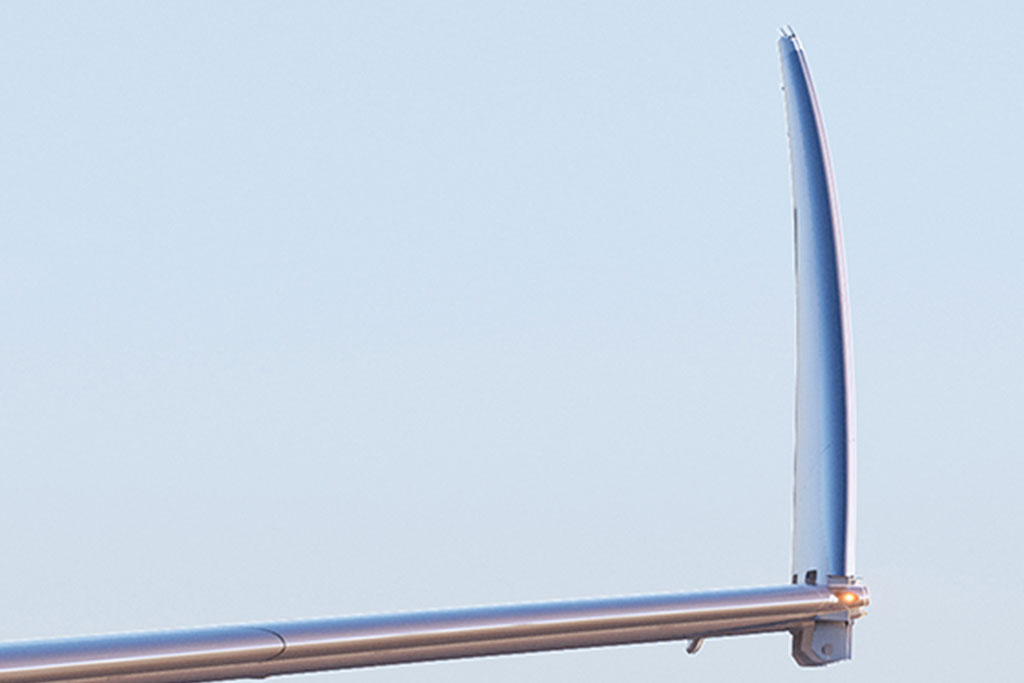
Their solution? Folding wingtips. By engineering a folding mechanism into each wingtip, the 777X wingspan can be reduced by nearly 23 feet, from 235.5 feet to 213 feet, 9 inches. Before takeoff, the crew manually extends the wingtips. The wingtips lock into place for flight, and if a takeoff is attempted with them folded, visual and aural warnings alert the crew of the improper configuration.
After landing, the wingtips automatically fold without pilot input as the aircraft decelerates through 50 knots. They complete the fold in 20 seconds, which Boeing engineers have demonstrated is sufficient time to finish before entering an adjacent taxiway.
The end result? An estimated 3% less fuel burned compared to a traditional upturned winglet design, all while maintaining compatibility with existing airport infrastructure. When the 777X enters service in 2027, roughly seven years later than its original 2020 target, the technology will help to ensure it does so cleanly and efficiently.
Topics Related To: MODERN AVIATION
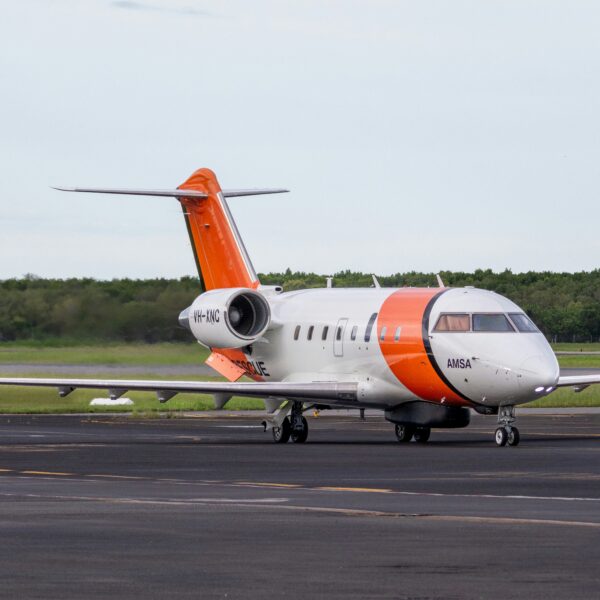
Repurposed for Rescue: How the Challenger 604 Business Jet Found Its Calling Over the Southern Ocean
Ten years after entering service with the Australian Maritime Safety Authority, the Challenger 604 has transformed from luxury business jet to dedicated search-and-rescue aircraft, patrolling one of the world’s largest SAR regions.
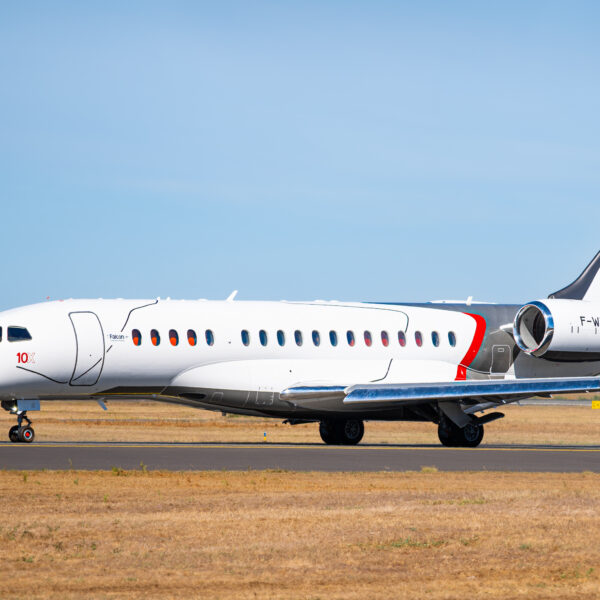
Second Dassault Falcon 10X Emerges to Support Certification Plan
The second Dassault Falcon 10X airframe emerges from final assembly, advancing the test and certification process with an anticipated 2029 entry to service.
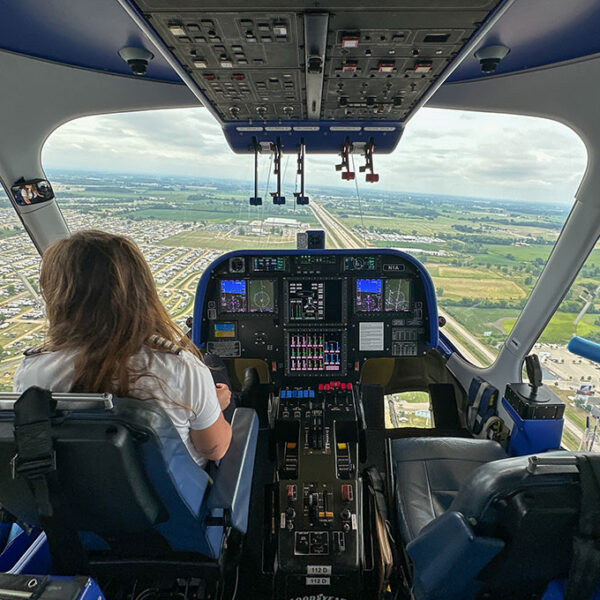
EAA AirVenture 2026 From the Goodyear Blimp
A panoramic view of the 2026 EAA AirVenture fly-in, as seen from one of the Goodyear blimps.
