The Four-Engine Cessna 620 Business Aircraft: Left Behind by the Business Jet
One of the most significant developments in aviation was the introduction of the jet engine. In a relatively short time, piston airliners and military aircraft were replaced by sleek, high-flying evolutions powered by jet engines. However, one category that is often overlooked is business aviation, which underwent a change that, although smaller in scale, was just as revolutionary.
In the years following World War II, business aviation was largely defined by repurposed military piston-powered transports. Surplus Lockheed Electras, Beechcraft 18s, and even Douglas A-26 Invaders were painstakingly restored and converted from utilitarian war machines into luxurious corporate transports with plush seating, onboard refreshments, and quieter cabins with ample sound-deadening materials.
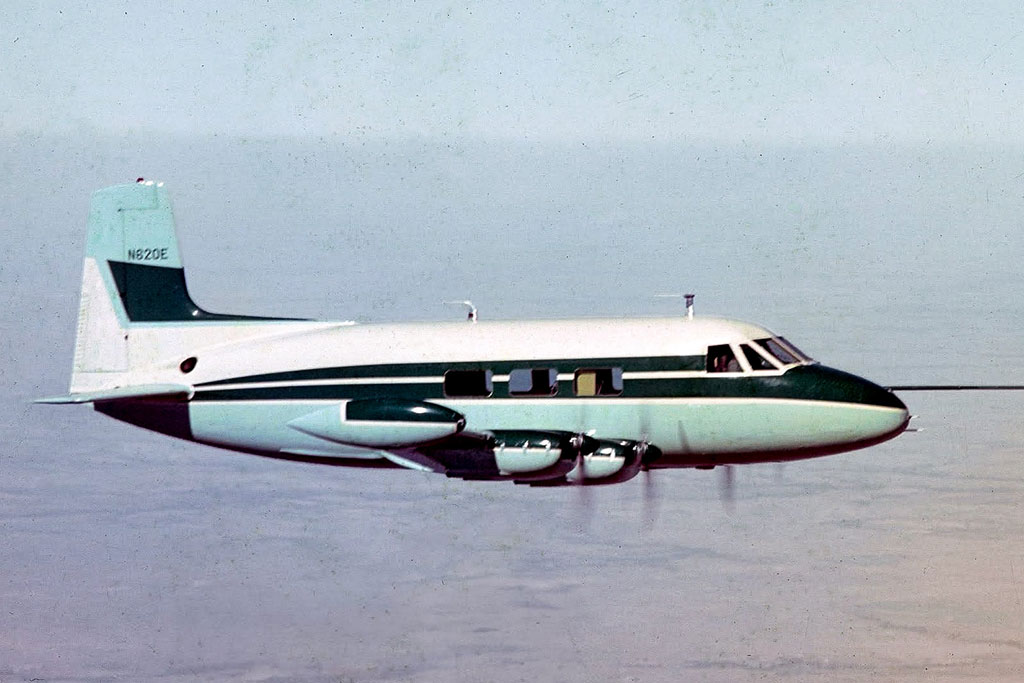
Cessna, observing a market opportunity, decided to engineer a clean-sheet solution. Perhaps reasoning that businesses and corporations were less price-constrained than customers in other segments, they designed a pressurized, four-engine business aircraft capable of transporting eight passengers at nearly 30,000 feet. It was equipped with four six-cylinder Continental piston engines that produced 350 horsepower each, enabling speeds of nearly 250 knots.
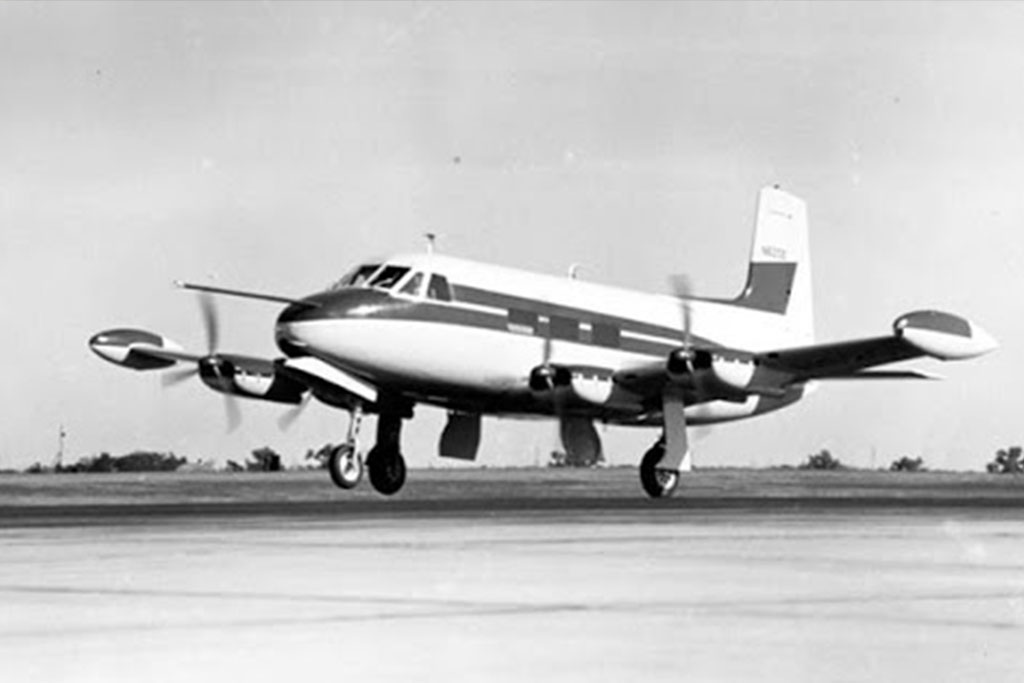
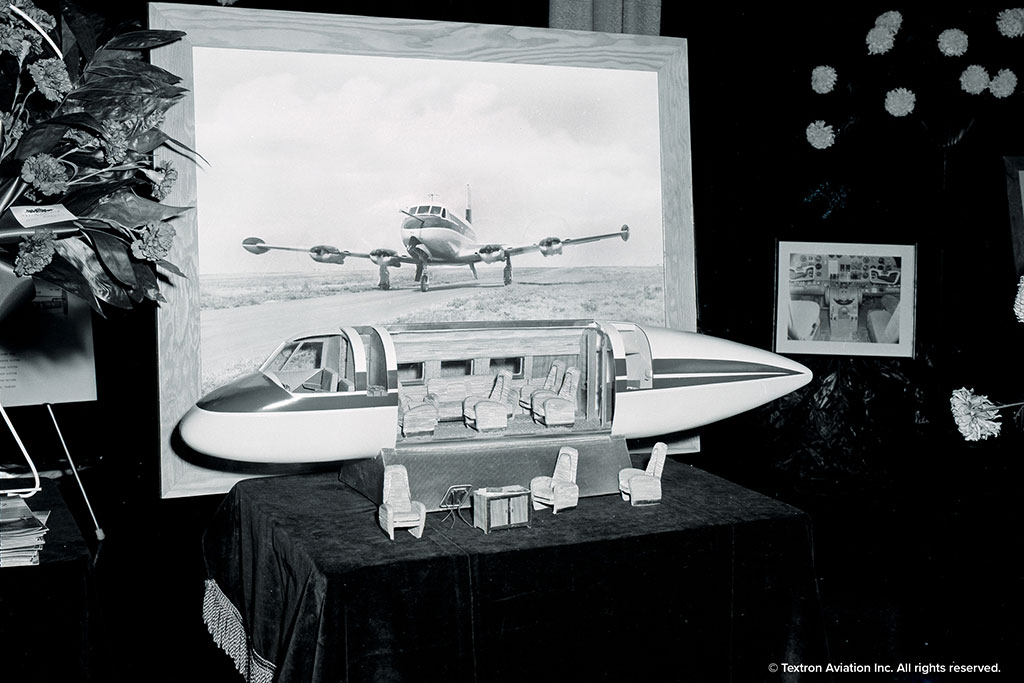
The new aircraft was called the 620, and made its first flight on August 11, 1956. Cessna flew it around the US on a publicity tour and displayed a full-size cabin mockup at various events. But while this was taking place, Lockheed and North American were making their own preparations to enter the emerging business aviation market – and, unlike Cessna, they were abandoning piston engines in favor of jets.
The resulting business jets were named the Jetstar and Sabreliner, and would make their first flights in 1957 and 1958, respectively.
As it became evident to Cessna management that these sleek, fast jets represented the future of business aviation, Cessna opted to abandon the 620 program. Unfortunately, rather than preserve the unique airplane for future generations to see and appreciate, they sold the sole example for scrap, and none remain today.
Topics Related To: AVIATION HISTORY
The McDonnell XP-67 “Moonbat” Represented Ambition Outpacing Engineering
From Business Jet to Spy Plane: How a Civilian Jet Design Nearly Became a Military Surveillance Platform
Northrop HL-10 Lifting Body Aircraft

Air-to-Air Artistry: The Story Behind an Iconic Aviation Photo