

Engineering in Motion: How Business Jet Tire Design Keeps Water Spray Out of Engines
A dramatic view of engineering and fluid dynamics in motion, as a Pilatus PC-24 business jet undergoes water ingestion testing as part of its certification process. With nosewheels positioned directly ahead of rear-mounted engines, the use of standard tires would send standing water on the runway directly into the engines. But some clever engineering produced a tire design that eliminates the problem entirely.
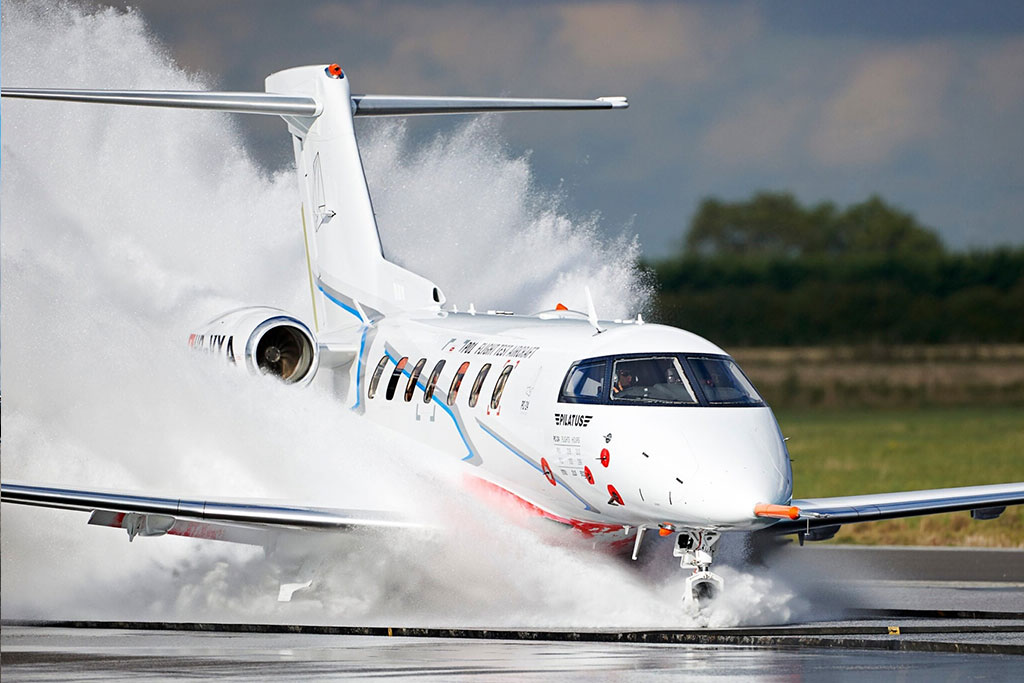
Known as “chined” tires, these tires integrate one or more “chines” on each sidewall. Resembling rubber flaps that protrude laterally from the sidewall of the tire, they act as fenders to deflect water kicked up by the tire.

While this results in slightly heavier, more expensive tires, the solution is lighter, simpler, and less expensive than developing and maintaining a structural fender to address the problem.
Such structural fenders have been used in applications where tire chines would be ineffective, such as the gravel deflector on some Boeing 737-200s that operate into and out of dirt and gravel airstrips. In these cases, large, relatively complex gravel guards are attached to the nose gear. These protrude from the aircraft’s belly when retracted, necessitating additional aerodynamic fairings and increasing weight and drag.
Topics Related To: MODERN AVIATION
Business Jet Cabin Design: How Skylights Make Interiors Feel Larger
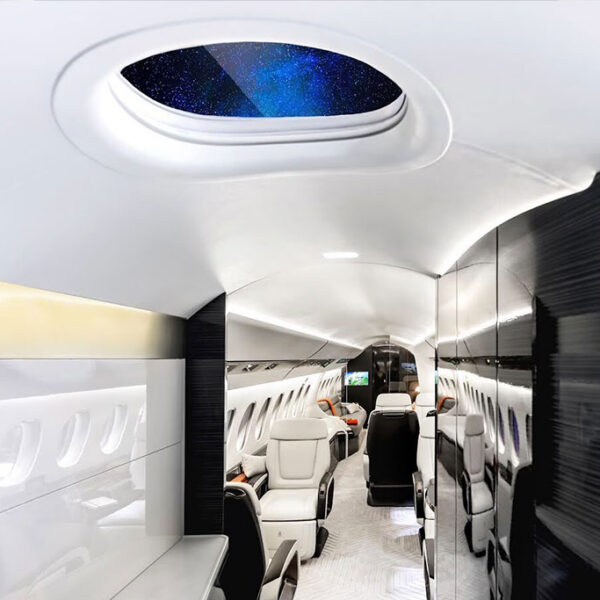
A look at how various manufacturers utilize skylights to make aircraft cabins feel brighter and more spacious.
Textron Aviation Confirms Beechcraft Bonanza and Baron Discontinuation Following Their Quiet Removal from Website
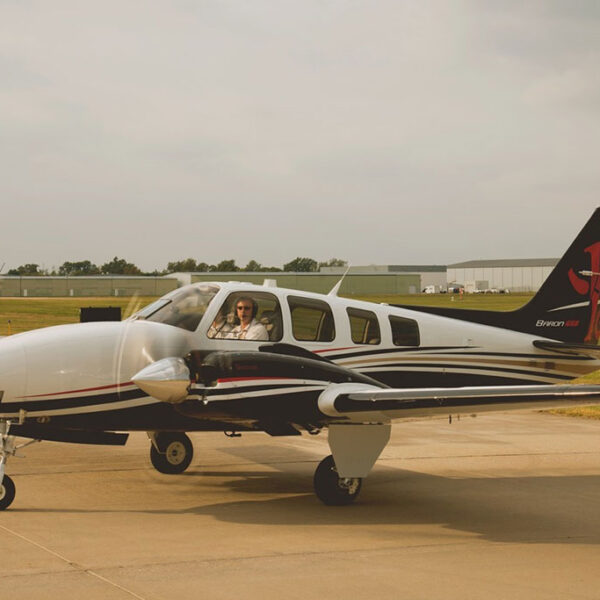
Questions triggered by website update lead Textron Aviation to acknowledge it is ending production of the Beechcraft Bonanza and Baron
Cross-Country Adventure: An Epic Flying Trip Through the Western US
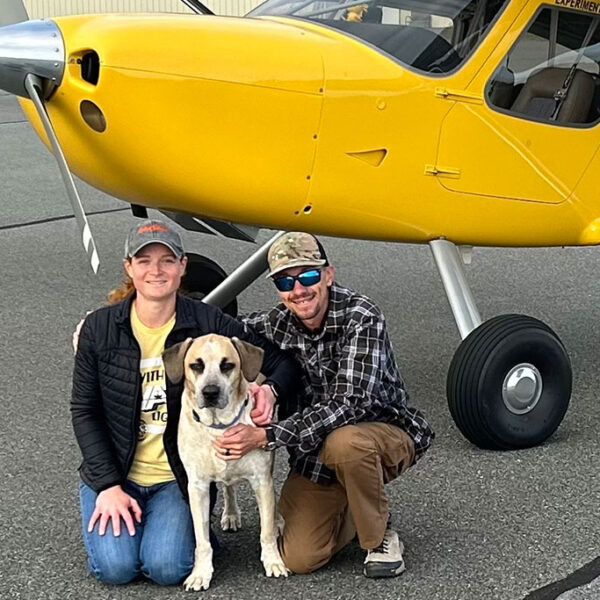
Two professional pilots take a break from airline and military flying to adventure through the western US in their experimental airplane.
