

Aviation History – A Boeing Stratocruiser Draws a Crowd
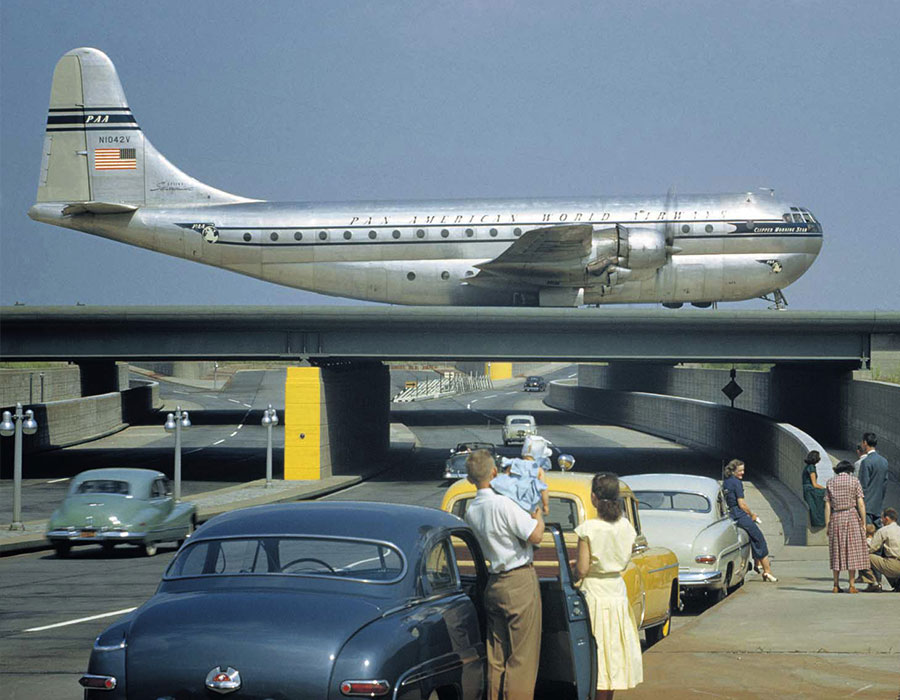
A Boeing 377 Stratocruiser crosses a taxiway bridge over the eastbound Route 678 Van Wyck Expressway at what would become JFK Airport to the delight of several onlooking motorists. Having entered airline service in 1949 and derived from the B-29 Superfortress bomber, the Stratocruiser represented a significant evolution in air travel, featuring a pressurized double-decker cabin. The pressurization made flights more comfortable for passengers and enabled the aircraft to cruise at higher altitudes, avoiding bad weather and taking advantage of strong tailwinds.
As seen in this 1951 photo, the Stratocruiser was such a departure from existing aircraft designs that it literally turned heads and stopped traffic.
Topics Related To: AVIATION HISTORY
The Spacemobile: NASA’s Secret Weapon for Winning America’s Hearts
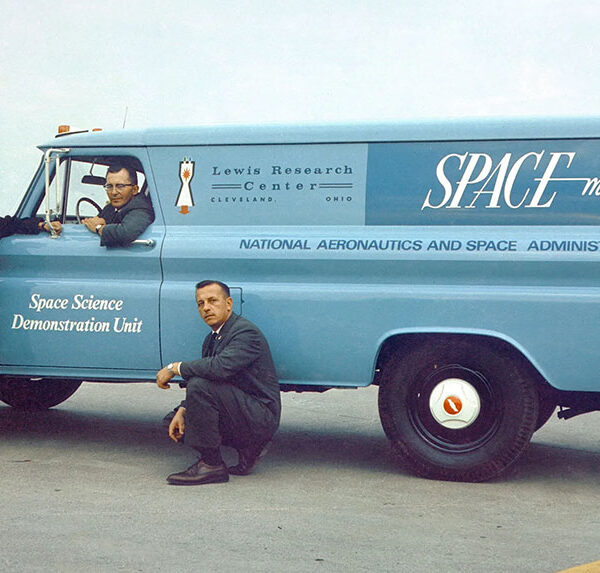
In the 1960s, NASA rolled out a fleet of educational vans called Spacemobiles. They traveled the country building enthusiasm for the Apollo program, turning Americans into space race supporters, one science demonstration at a time.
The Goodyear Gizmo: A 290-Pound Helicopter, Inflatable Rotors, and Convertiplane Dreams
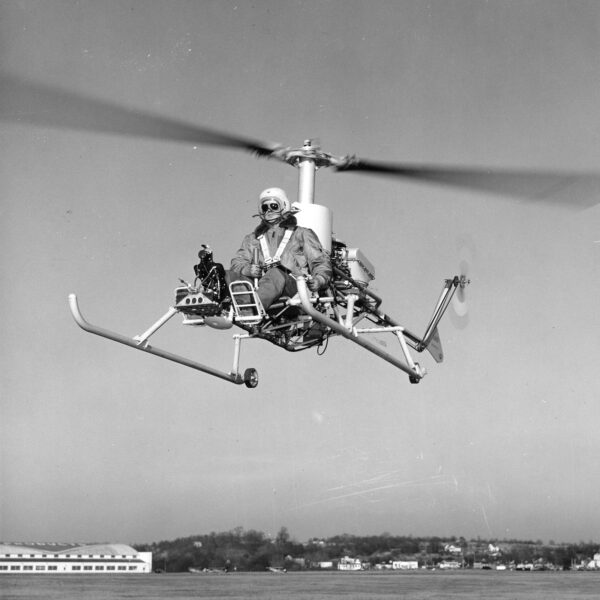
The Goodyear Gizmo was a 290-pound helicopter from the 1950s that almost nobody knows about. Here’s the story of Goodyear’s helicopter experiment and its inflatable rotor blade ambitions.
The McDonnell XP-67 “Moonbat” Represented Ambition Outpacing Engineering
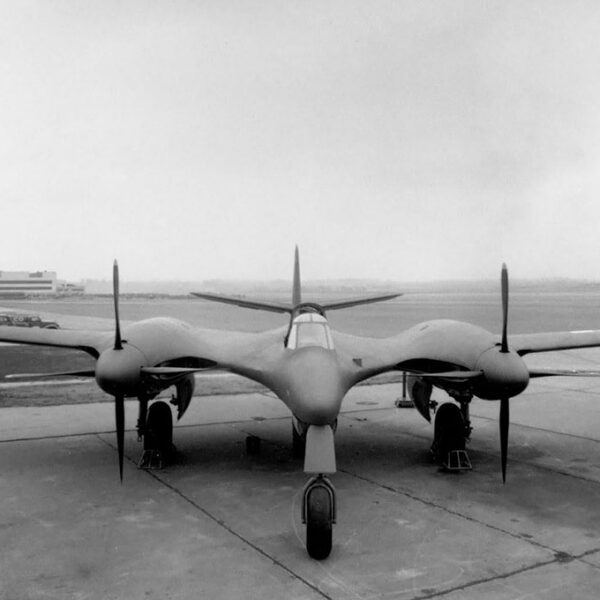
The McDonnell XP-67 “Moonbat” combined cutting-edge technologies, including a blended-wing body and Continental XL-1430 engines, in pursuit of 472 mph performance. Engine overheating and aerodynamic instability ended the ambitious program before it could reach production.
