

Boeing Airliner Concept – Open-Rotor Canard
After slowly recovering from the oil crisis of the 1970s, the US aerospace industry began exploring novel concepts to insulate itself from future such occurrences, and Boeing dedicated significant resources to the effort. Emerging in the 1980s, this concept proposed utilizing fuel-efficient, open-fan power plants that were being developed at the time for propulsion, along with a unique canard layout in place of a traditional aft horizontal stabilizer.
While such concepts never gained traction in the airline industry, due in part to the complexities involved in jet bridge compatibility, the configuration would see limited success within business aviation, as seen in the Beechcraft Starship and the Piaggio Avanti.

Topics Related To: AVIATION HISTORY
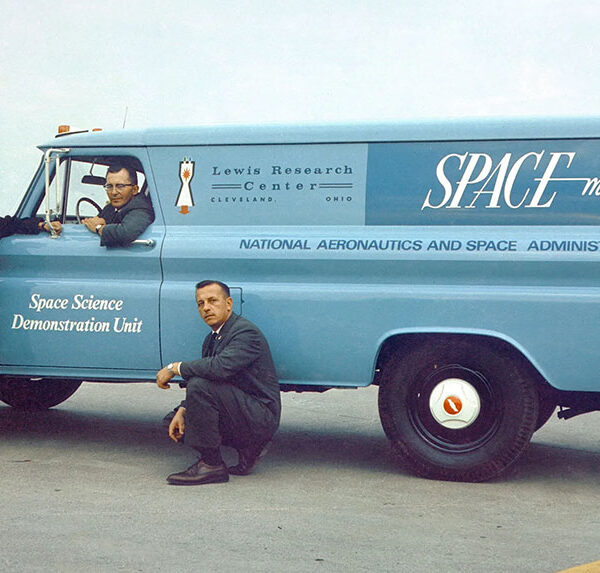
The Spacemobile: NASA’s Secret Weapon for Winning America’s Hearts
In the 1960s, NASA rolled out a fleet of educational vans called Spacemobiles. They traveled the country building enthusiasm for the Apollo program, turning Americans into space race supporters, one science demonstration at a time.
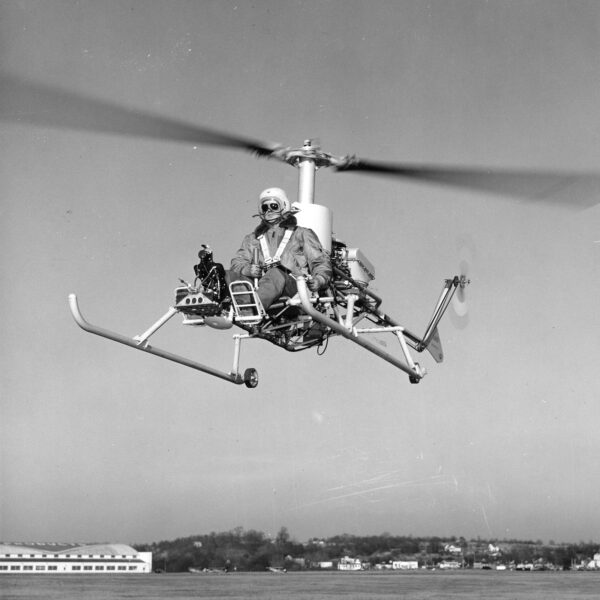
The Goodyear Gizmo: A 290-Pound Helicopter, Inflatable Rotors, and Convertiplane Dreams
The Goodyear Gizmo was a 290-pound helicopter from the 1950s that almost nobody knows about. Here’s the story of Goodyear’s helicopter experiment and its inflatable rotor blade ambitions.
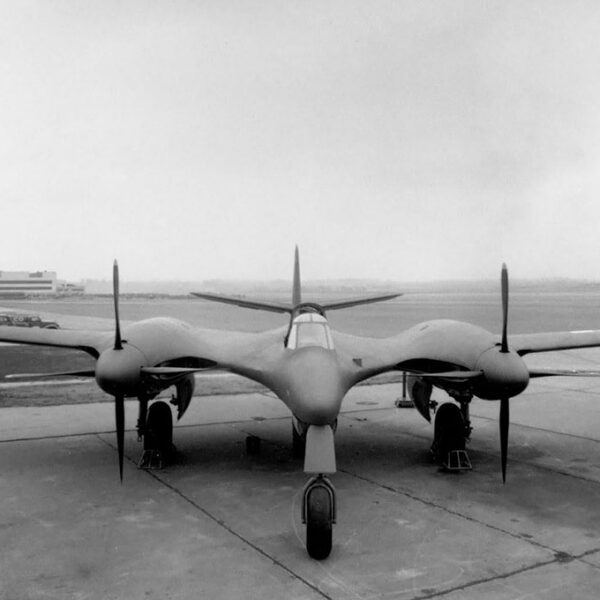
The McDonnell XP-67 “Moonbat” Represented Ambition Outpacing Engineering
The McDonnell XP-67 “Moonbat” combined cutting-edge technologies, including a blended-wing body and Continental XL-1430 engines, in pursuit of 472 mph performance. Engine overheating and aerodynamic instability ended the ambitious program before it could reach production.
