FAA Retires and Auctions Bombardier Global 5000 Business Jet
The Federal Aviation Administration’s “Flying Laboratory” was retired and sold via auction in January, marking the end of a multi-year mission that stood out from other long-range business jets.
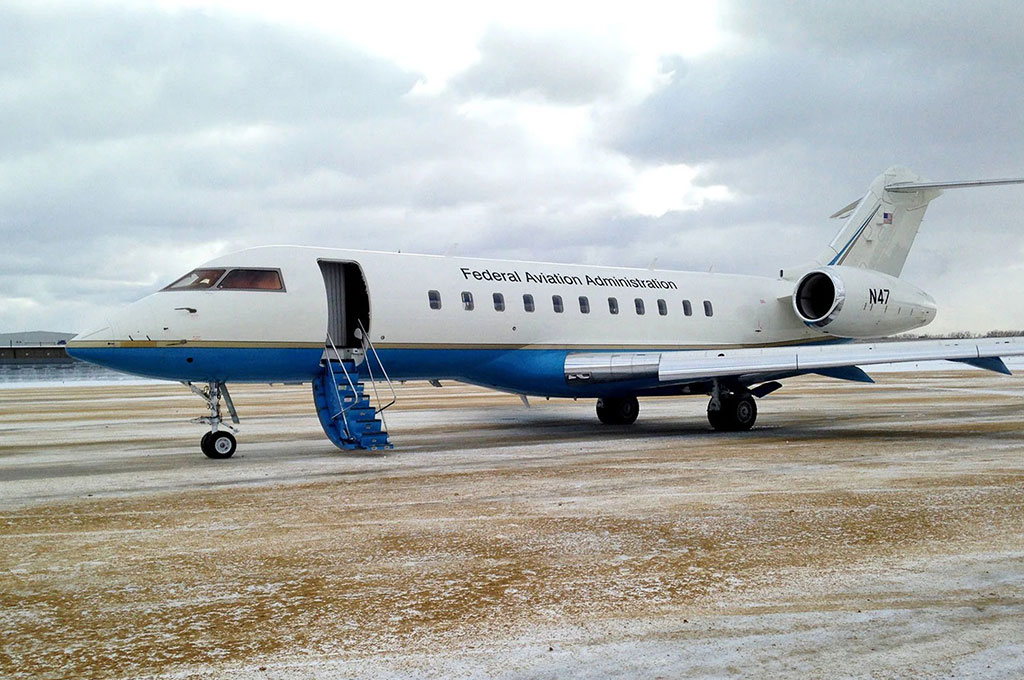
Purchased in 2005, the $24.8 million Bombardier Global 5000 was specially modified with various instruments and research equipment to improve the safety and efficiency of the National Airspace System. Over its twenty years of service, the platform supported the development of Local and Wide Area Augmentation Systems, Automatic Dependent Surveillance-Broadcast (ADS-B), Reduced Vertical Separation Minima (RVSM), X-band Airport Surface Detection Equipment (ASDE-X), and next-generation air-to-ground communications.
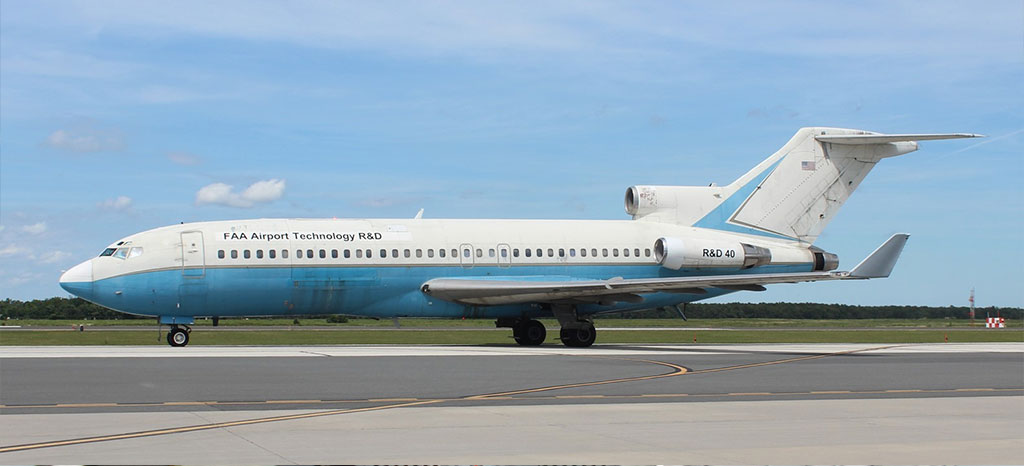
The Global replaced an aging Boeing 727 that had previously been used for such large-scale research and development. Despite having been fitted with drag-reducing winglets, the 727’s operating costs were high. Fuel consumption alone amounted to roughly 1,600 gallons per hour, a figure significantly higher than the Global 5000’s 450-500 gallons per hour.
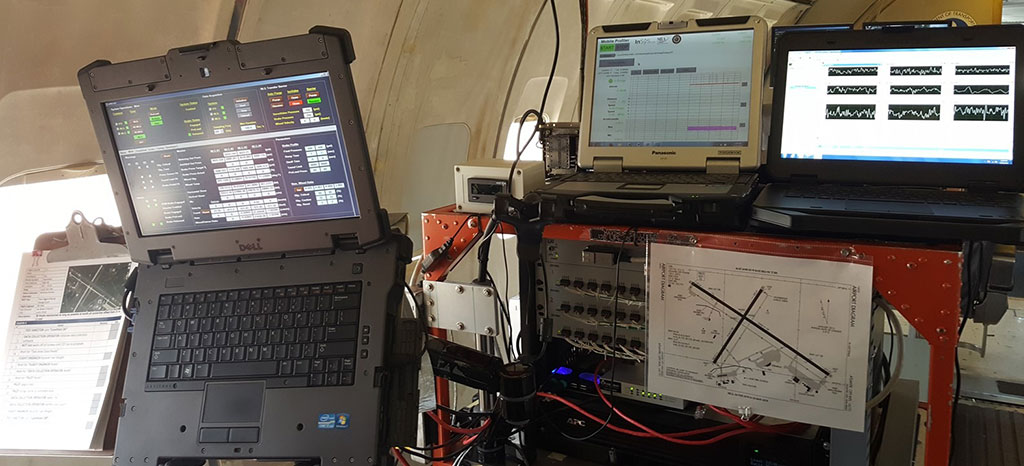
In addition to improving operating efficiency, the Global 5000 significantly improved dispatch reliability and range. Missions could be conducted farther from the point of departure, and superior endurance enabled greater productivity per flight. In addition, the markedly lower cabin altitude maintained a more comfortable environment for those working on board.
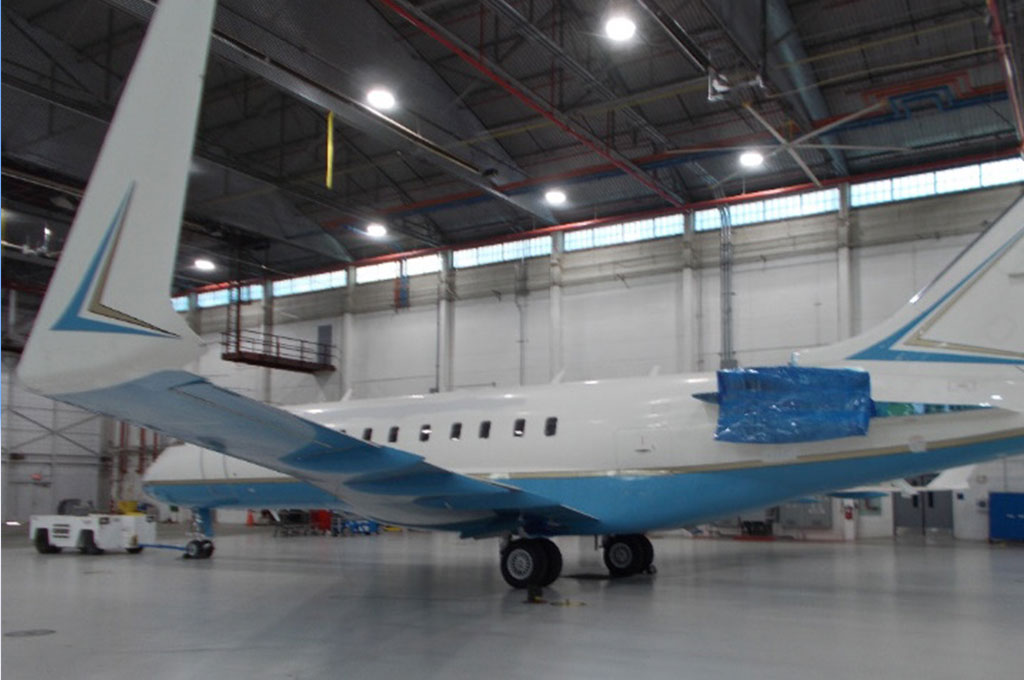
When the Global was listed for auction on the GSA Auctions website, it was not offered in intact, airworthy condition. Despite having always been hangared and maintained under a Continuous Airworthiness Maintenance Program for all of its 3,610 hours and 2,629 cycles, it was stripped of its engines, auxiliary power unit (APU), and, perhaps critically, component serviceability and certification paperwork.
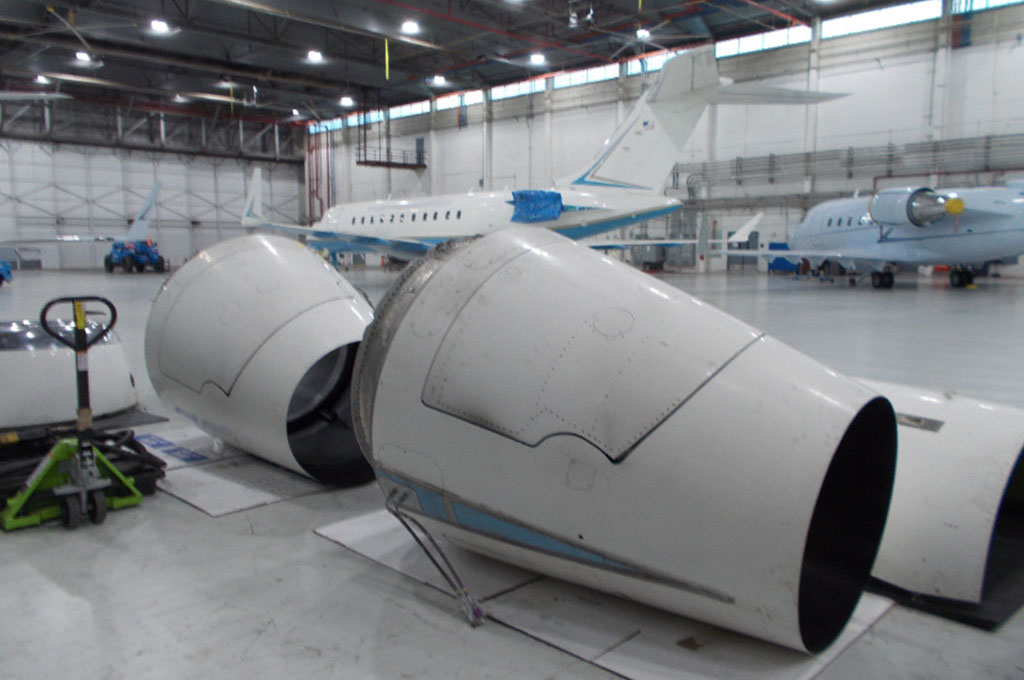
Photos in the listing showed the included engine cowlings and thrust reversers removed from the aircraft, and the captain’s control yoke was missing, as well. The jet retained the stately blue-and-white fleet livery, and the passenger cabin was all business, with a monochromatic gray interior that reflected its utilitarian public-service mission.
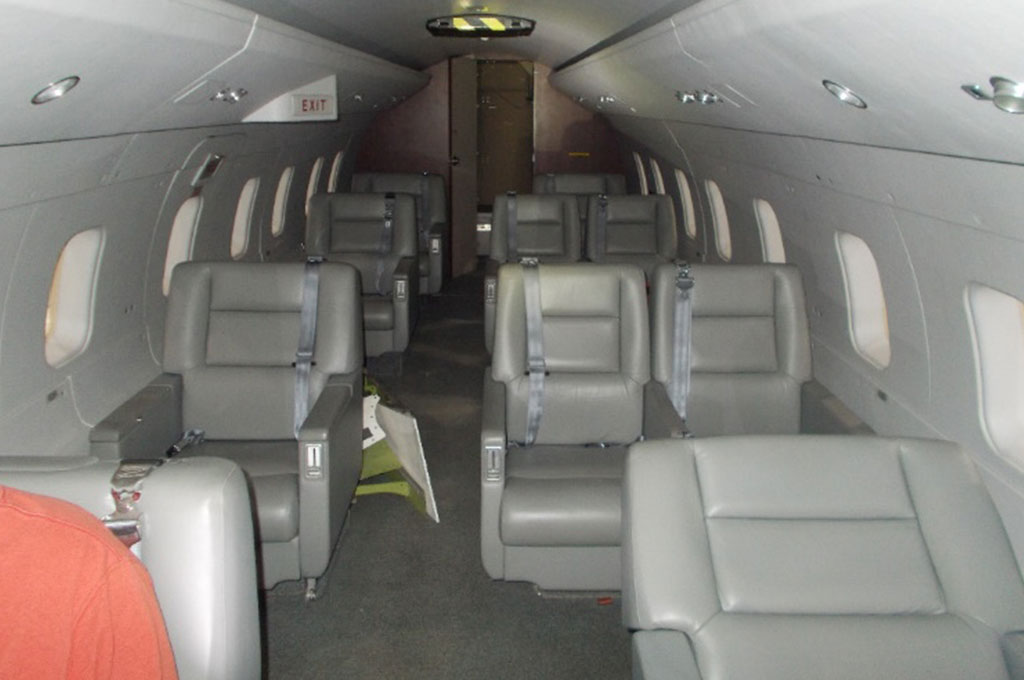
Due to its non-airworthy condition and lack of engines, the winning bid for the Global was $3.47 million. By comparison, airworthy examples of the same vintage list for approximately $9-10 million. Ultimately, the selling price reflects the aircraft’s real-world value given its condition.
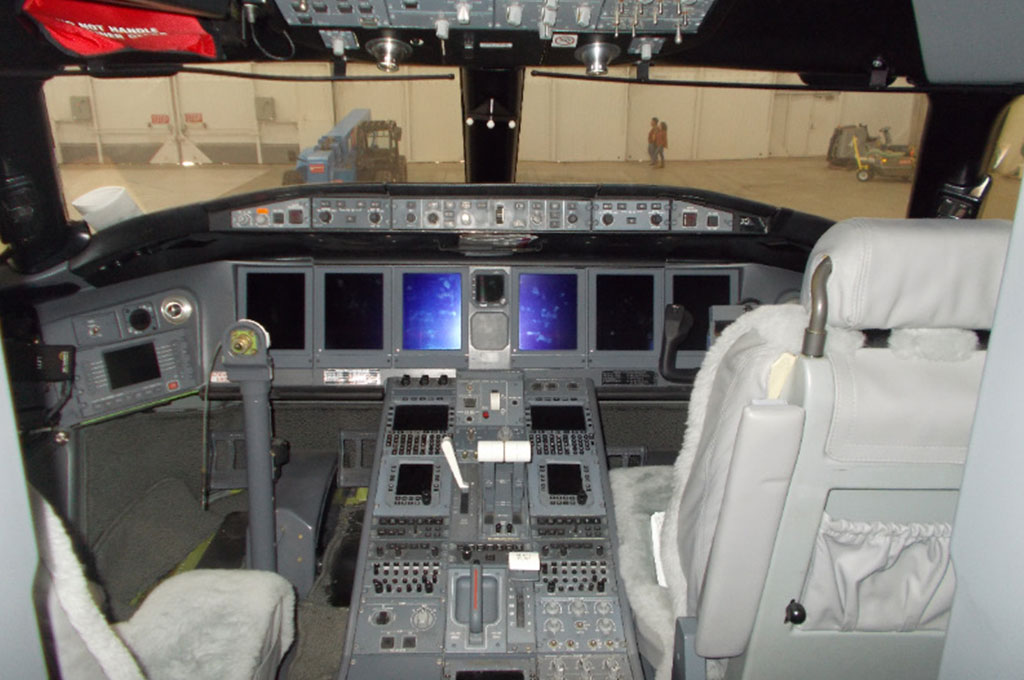
To date, the FAA has not communicated plans to procure a directly comparable aircraft to fill the vacancy created by the sale of the Global. The administration’s current working fleet consists of Beechcraft King Air turboprops and Bombardier Challenger jets.
Topics Related To: MODERN AVIATION

EAA AirVenture 2026 From the Goodyear Blimp
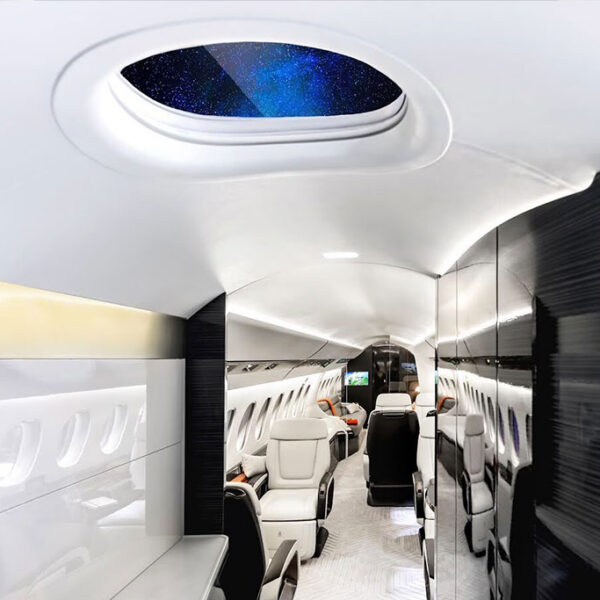
Business Jet Cabin Design: How Skylights Make Interiors Feel Larger