

Charging Into History: The Electric Comeback of the Pulitzer Air Race
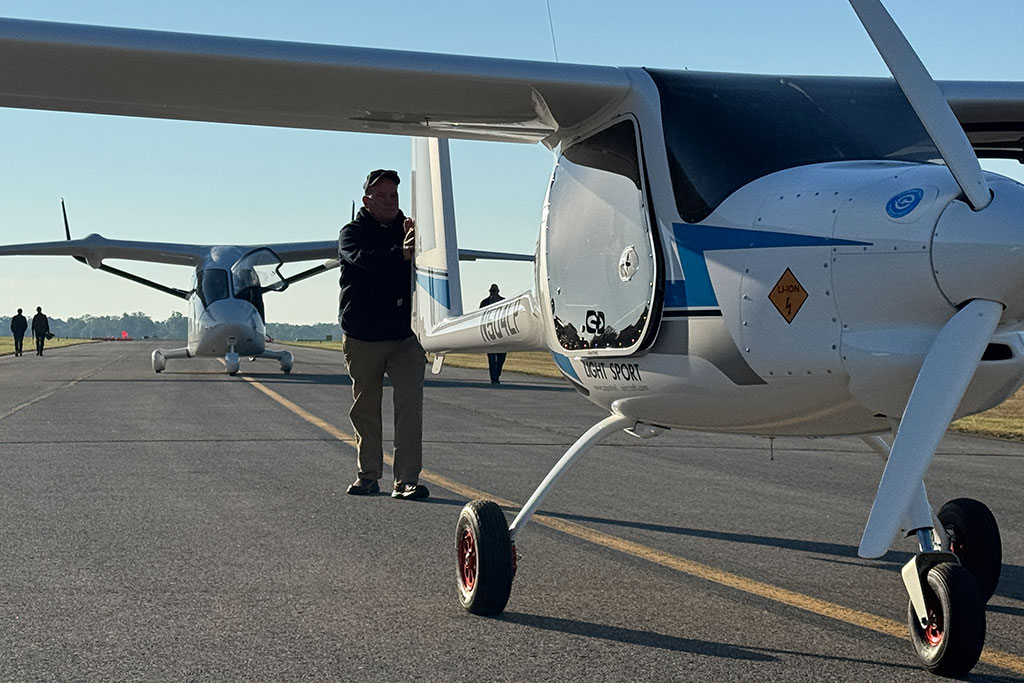
On a clear October morning in Springfield, Ohio, the familiar roar of combustion engines was replaced by a soft electric whir. Along the ramp at Springfield–Beckley Municipal Airport, a lineup of sleek composite aircraft waited for launch, their fuselages marked not with oil stains, but instead, charging cables.
Spectators sat patiently along the bleachers as they waited for the race to begin. Moments later, each aircraft lifted off quietly, accelerating over the triangular racecourse. A century after its last run, the Pulitzer Trophy Air Race had returned, reborn for the electric age. Yet beneath the quiet hum of electric engines lingered a bigger question: was this the dawn of a new aviation revolution, or simply an experiment rooted in nostalgia?

Seventeen years after Orville and Wilbur Wright’s historic first powered flight in 1903, Ralph Pulitzer, publisher of the New York World newspaper and son of famed journalist Joseph Pulitzer, established the Pulitzer Trophy Air Race. Pulitzer created the event to stimulate progress in aviation technology, much like automobile races of the era spurred car innovation.
The event was as much a spectacle as a competition, drawing huge crowds to airfields and giving early aviation exposure to the public. Sanctioned by the Aero Club of America, the event challenged pilots to push aircraft to their limits around a closed-circuit course at record-breaking speeds, thereby capturing the public imagination.
The races propelled engine and airframe design far beyond what conventional research and testing would ever have produced. Innovations such as streamlined fuselages, metal propellers and high-octane fuels soon found their way into both civilian and military aviation. Engineers who once sketched designs in small hangars were suddenly shaping the future of flight, influencing everything from early airliners to the emerging designs of World War II.
After just six years, the races came to an end as military priorities shifted toward endurance and record flights. Though the Pulitzer Trophy would be retired to the Smithsonian’s National Air and Space Museum, the spirit endures in every speed-focused competition that followed, from the Bendix Trophy Air Races to the modern National Champion Air Races, and now, one hundred years later, the 2025 electric revival.
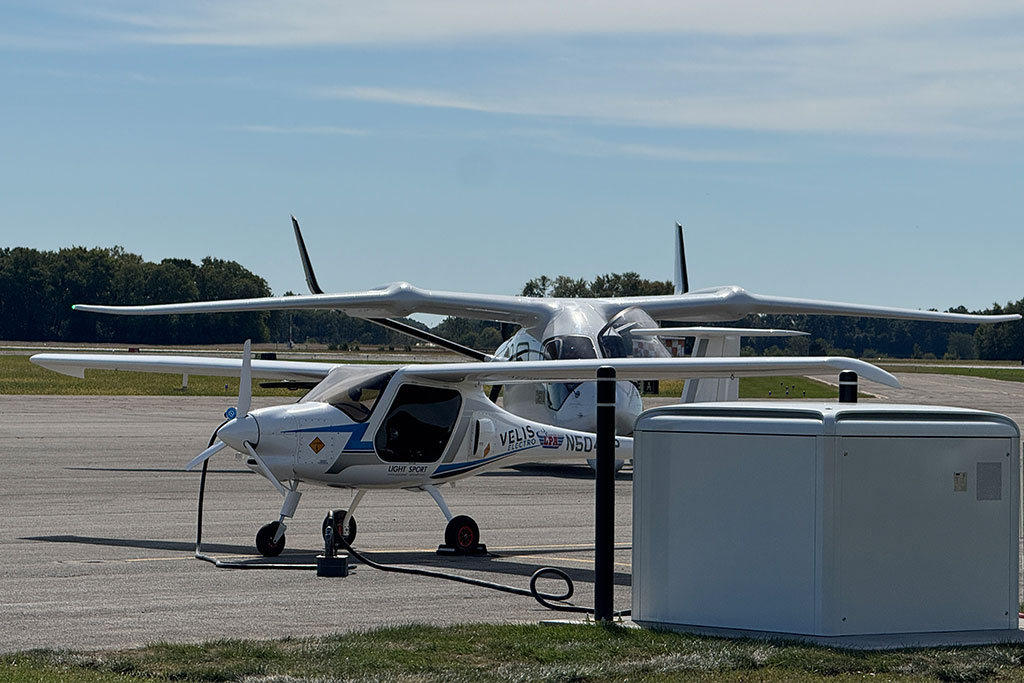
Today, that same spirit of competition and progress has been taken up by the Advanced Air Mobility Institute, the nonprofit organization leading the revival of the race. Focused on ensuring that emerging aviation technologies are introduced safely, ethically, and for the broadest public benefit, the Institute views electric flight not as a novelty but as the next major shift in air transportation.
In resurrecting the Pulitzer Trophy, the Institute saw an opportunity to translate abstract concepts like kilowatt-hour efficiency, noise profiles, and zero-emission operations into something the public could experience firsthand. Much like the original air races accelerated engine and airframe development a century ago, the 2025 event was designed to push modern innovators in a new direction, showcasing what electric aircraft can do today and hinting at what they may soon make possible in the very near future.
Seven electric aircraft took part in the 2025 race, led by BETA Technologies’ CX300 eCTOL, the conventional takeoff and landing version of their ALIA line of electric aircraft, which pilot Tyler Prather flew to a decisive first-place finish. The remainder of the field consisted of Pipistrel Velis Electros flown by a mix of civilian pilots, industry leaders such as Aviatrice Advisors founder Gloria Bouillon, and U.S. Air Force Academy cadets.
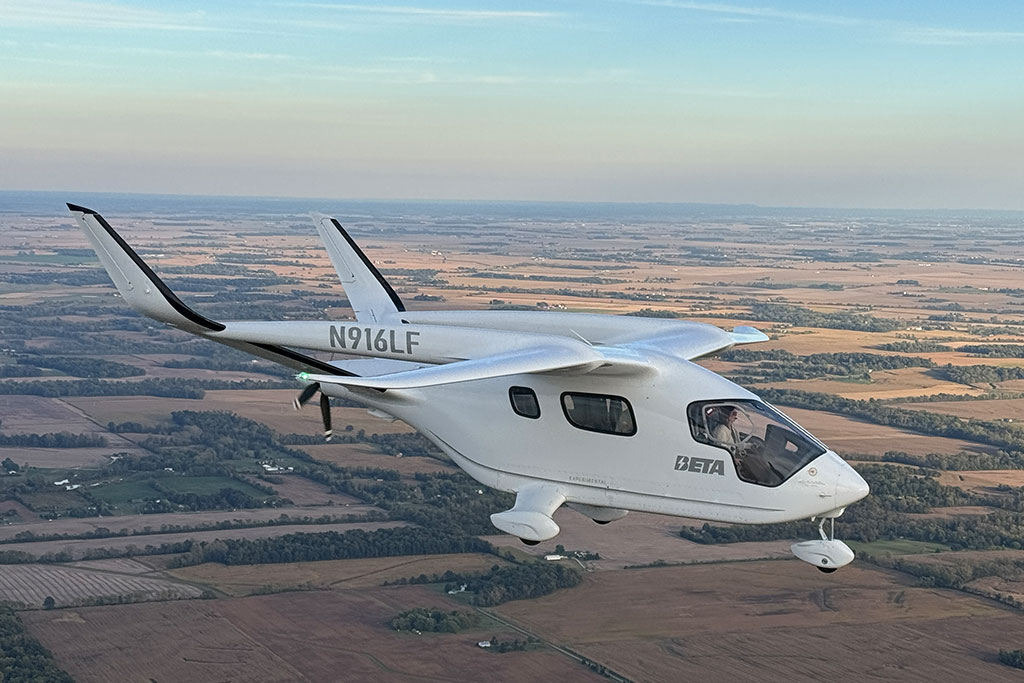
Though varied in experience and mission, the competitors demonstrated how quickly electric flight is spreading across training, research, and early commercial development, precisely the emerging landscape the race was created to showcase.
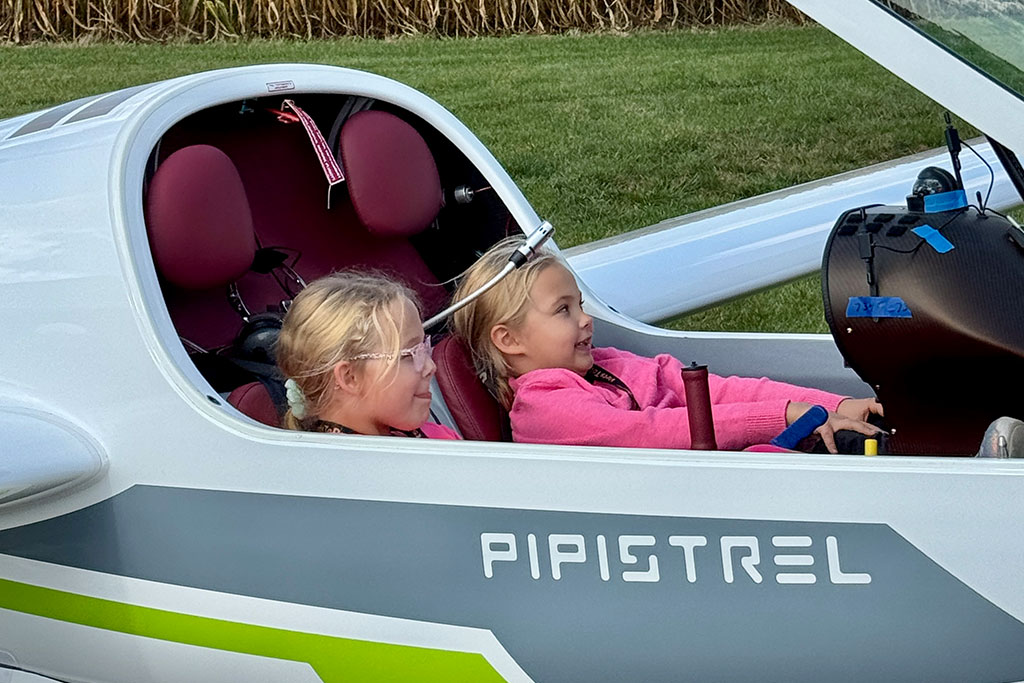
The race weekend also included a dedicated STEM Education Day with an agenda featuring hands-on demonstrations, presentations, and career talks, all designed to engage youth and educators around sustainable electric aviation. Students from around the world were even invited to participate in a Virtual Pulitzer Air Race using an X-Plane flight simulator and a virtual version of the racecourse.
By engaging students with real aircraft, simulators, and demonstrations, STEM Day highlighted how education and innovation go hand in hand. The next generation of aviators and engineers saw firsthand that sustainable flight is achievable and that their ideas could directly contribute to a quieter, cleaner, and more accessible future in aviation.
Looking ahead, the Pulitzer Trophy could evolve into a true proving ground for electric aviation. Future races might test not only speed, but energy efficiency, endurance, and maneuverability, with records for distance flown on a single charge, fastest climb rates, or even quietest operation over urban airspace.
Integrating students into the competition, linking simulator and real-world challenges, and showcasing next-generation aircraft designs could turn the event into both a technical showcase and a hands-on STEM laboratory. By combining competition, innovation, and education, the Pulitzer Trophy promises to continue inspiring the next generation of aviators and engineers, and help the quiet hum of electric flight today become the everyday sound of aviation tomorrow.
If the first electric Pulitzer was a glimpse of what’s possible, the next race may well define the future of aviation; faster, cleaner, and powered by the imagination of a new generation.
This article was contributed by vintage aircraft owner and writer Ed Becerra, whose flying adventures can be found at youtube.com/@TheFlyingStampede.
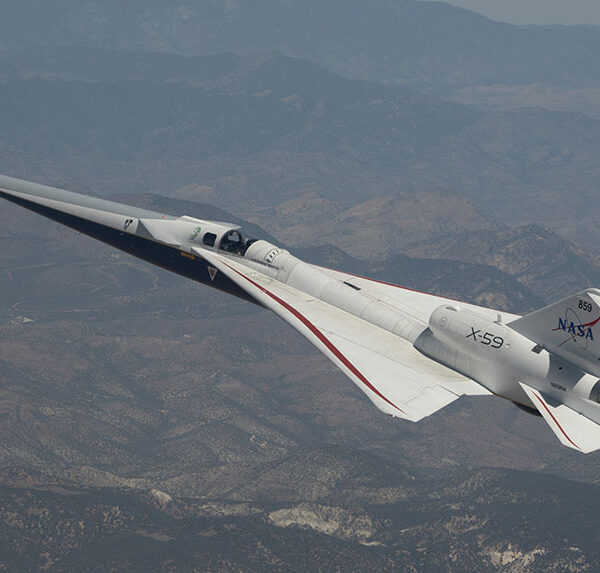
NASA Releases New X-59 Photo as Test Flights Top 55,000 Feet
A newly released image shows NASA’s X-59 from above, highlighting the airframe designed to eliminate sonic booms. Recent flights have exceeded 55,000 feet and have approached 900 miles per hour.

CFM’s Open Fan Engine Clears Key Milestones, with Flight Tests Targeting Late-2020s
CFM International completed critical design reviews for its Open Fan engine. Flight tests are on track this decade, with efforts aimed at achieving 20% better fuel efficiency than today’s engines.
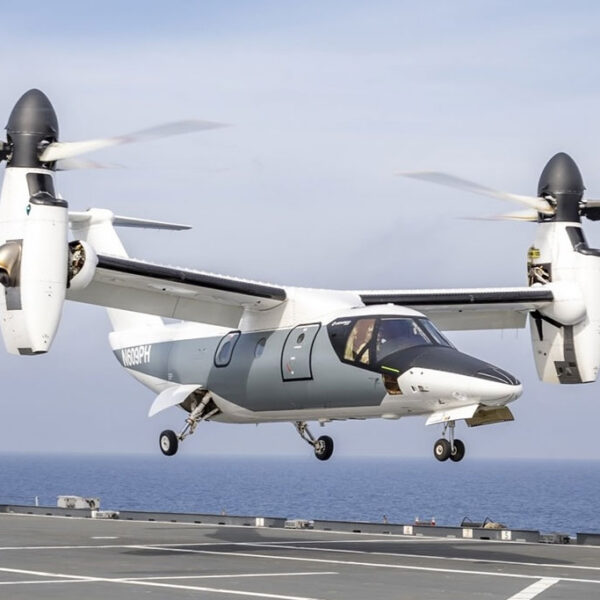
AW609 Civil Tiltrotor: 3 Things to Know About Leonardo’s Path to 2027 Entry Into Service
Leonardo’s AW609 tiltrotor targets 2027 civil certification as three milestones, including a flying next-generation prototype, demonstrate progress toward certification.
