

Humid Air Reveals Stunning Wake Vortices
A stunning photo from the US Department of Transportation’s Volpe Center and photographer Steve Morris captures the aerodynamic effects of a Boeing 757 that are always present but ordinarily invisible. In this photo, dramatic backlighting illuminates each vortex trailing behind the aircraft.
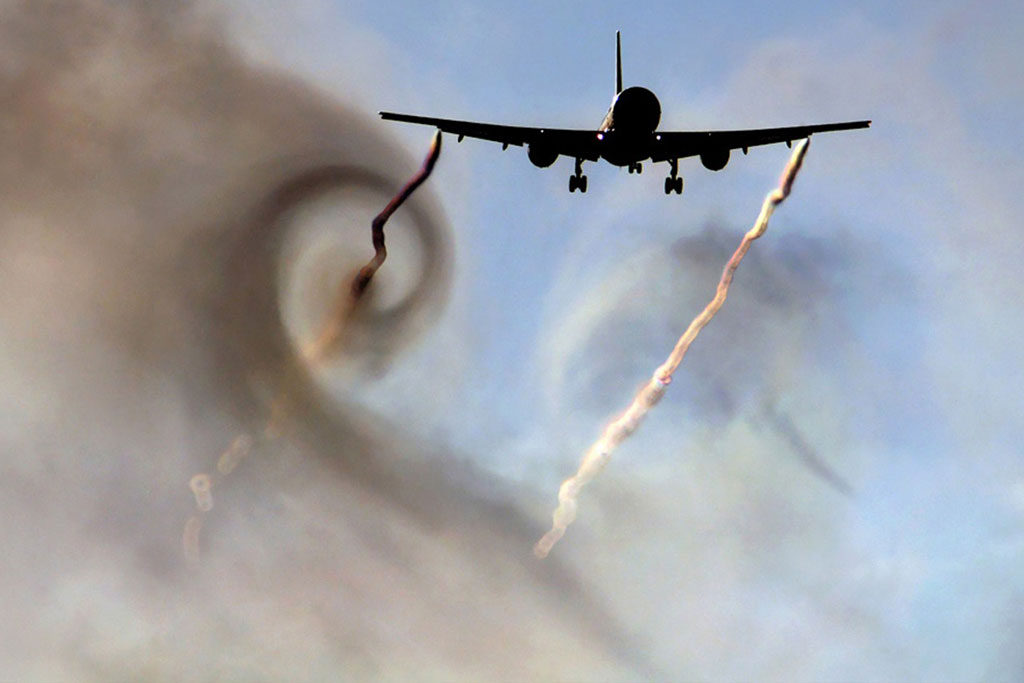
Like a boat passing through water, every aircraft produces wake turbulence as a byproduct of lift generation. The wake sinks below the aircraft’s flight path and, when crosswinds are present, drifts left or right of the flight path. This can present a hazard to following aircraft, and controllers base traffic separation on wake turbulence separation categories assigned to each aircraft type.
Unlike other aircraft types, the 757 sheds unusually strong vortices from the tips of the flaps and wings. For this reason, air traffic controllers treat the 757 as a larger-category aircraft when small-category aircraft are following in trail, providing additional separation and time for the wake vortices to dissipate. These separation criteria apply to both takeoff and landing operations.
Topics Related To: MODERN AVIATION
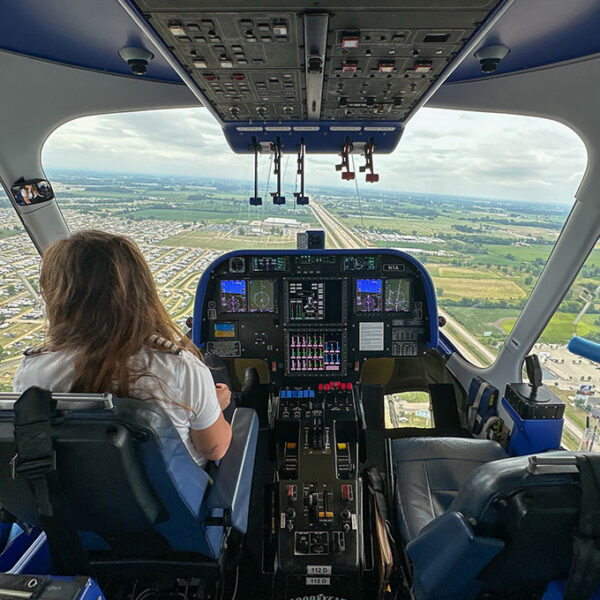
EAA AirVenture 2026 From the Goodyear Blimp
A panoramic view of the 2026 EAA AirVenture fly-in, as seen from one of the Goodyear blimps.
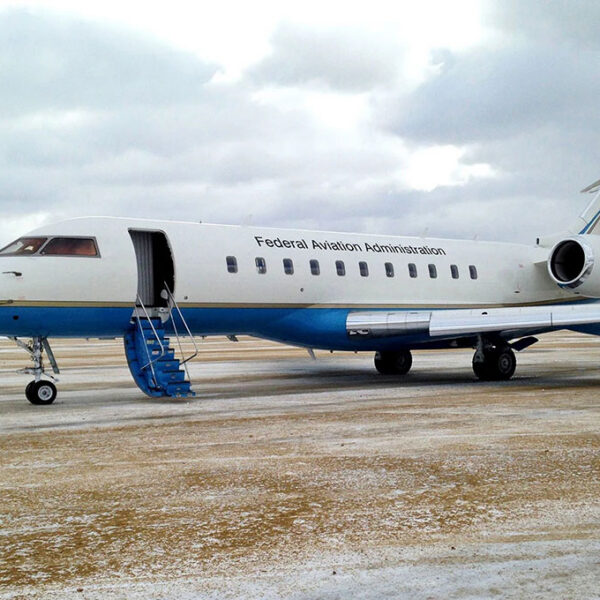
FAA Retires and Auctions Bombardier Global 5000 Business Jet
The Federal Aviation Administration fleet evolves with the retirement and auction of its Bombardier Global 5000 “Flying Laboratory.”
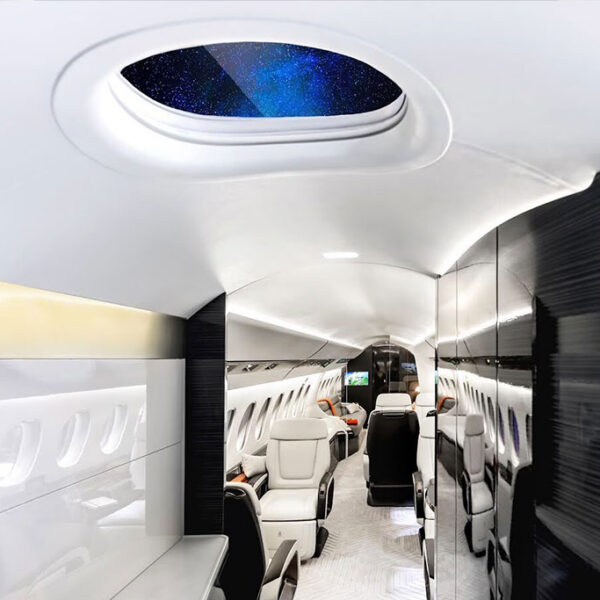
Business Jet Cabin Design: How Skylights Make Interiors Feel Larger
A look at how various manufacturers utilize skylights to make aircraft cabins feel brighter and more spacious.
